

During menopause, women can experience challenging symptoms and an increased risk for serious health conditions.
You don’t have to suffer in silence – lifestyle changes can help, and a healthy diet is one of the most important.
Regional One Health Certified Nurse Midwife Breia Loft, DNP, CNM, FACNM, recently hosted an event to offer advice that helps women feel better and prevent illness.
Menopause and perimenopause can bring challenges like hot flashes, vaginal discomfort, emotional stress, and weight gain. That makes taking care of yourself more important than ever, and diet and exercise are a great place to start.
“This is an age where you need to make yourself a priority,” says Breia Loft, DNP, CNM, FACNM, Director of Midwifery Services at Regional One Health. “There are things you can do to minimize symptoms, and nutrition and exercise are very important.”
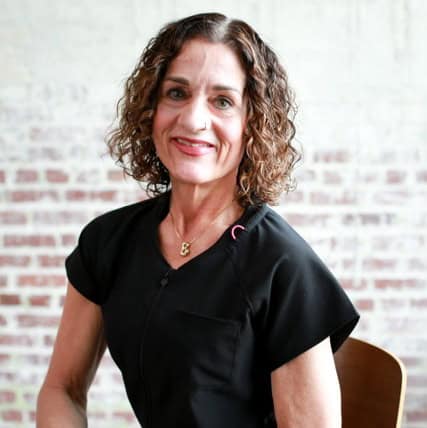
Breia Loft, DNP, CNM, FACNM, Director of Midwifery Services, said health care providers can help women navigate menopause. “You don’t just have to sit and be miserable and let it happen to you. It’s coming whether you like it or not, and there are ways to help yourself get through it!”
Loft hosted a “Lunch & Learn” to discuss how nutrition and exercise help manage symptoms and risk of serious illness during menopause.
She said women should start with a visit to their health care provider.
At Regional One Health, the midwifery team sees women from puberty through menopause, providing empowering care and education to address a variety of issues. Regional One Health also offers a Menopause Care Clinic led by Certified Menopause Practitioner Pallavi Khanna, MD, FACOG, who has additional training and expertise in helping women navigate menopause.
Loft said your annual primary care and women’s wellness visits help you develop an effective plan for your specific needs.
Your provider will perform lab work to test things like blood sugar and cholesterol; make sure you’re up to date on screening for breast cancer, bone density, and more; provide referrals to specialists as needed; and share evidence-based advice on lifestyle changes.
For many women, lifestyle changes are the first step to improving symptoms and managing risk of serious disease. When Loft meets with patients about their menopause concerns, she encourages them to think of nutrition not as dieting, but as strategic eating.
“Think of food as fuel,” she said. “There aren’t bad foods – there are nutrient rich foods and nutrient poor foods. Try to focus on eating nutrient rich foods, but understand that you don’t need to be perfect all the time. That isn’t sustainable.”
Loft said there are several vitamins and minerals menopausal women should focus on.

Menopause can cause women to experience symptoms like hot flashes, weight gain, and vaginal discomfort. Lifestyle changes like diet and exercise can help.
Protein, which supports muscle mass, is found in lean meats, nuts, and beans. Women should aim for 130 grams a day, which Loft noted can be challenging: “It’s very hard to eat that much protein. If you can’t get it all through your diet, you can get it through protein shakes or drinks or powders. Find one that you like and that doesn’t upset your stomach.”
To protect bone strength, aim for 1,200 mg of calcium from yogurt, milk, cheese, and leafy greens. Loft said supplements can help fill the gap.
For vitamin D, which also supports bone strength, Loft recommends having your levels checked to see if you’re falling short. Aim for 600-800 IU/day from fatty fish, fortified foods like milk and cereal, vitamins, and safe sun exposure.
Other key vitamins and minerals include magnesium, omega-3s, prebiotics, probiotics, and collagen.
While Loft urges women to focus on nutrients, she said calorie range is also important for maintaining a healthy weight. Your calorie needs depend on your weight and activity level:
- Sedentary: 12 calories per pound of body weight
- Light activity (1-3 days a week): 13-14 calories per pound of body weight
- Moderate activity (3-5 days a week): 15-16 calories per pound of body weight
- Very active (6-7 days a week): 17-18 calories per pound of body weight
- Athletes in training: 19-20 calories per pound of body weight
If you want to lose weight, Loft recommends a slow and steady approach by reducing 250-500 calories per day to lose half a pound or 1 pound per week: “It’s not such a shock to your system – you’ll feel better.”
That said, Loft stressed healthy choices over counting calories.
It starts at the grocery store. Make a list and stick to it. Shop the perimeter – healthy fresh fruits and vegetables, meat, and dairy are on the outside of the store, and unhealthy processed foods are in the interior.

A healthy diet helps manage risk of serious issues like heart disease, cancer, and osteoporosis. The risk for these conditions increases during menopause.
Prepare proteins and sides in batches, then divide them into containers for quick meals. Easy options include fruit, almonds, rotisserie chicken, eggs, berries, Greek yogurt, and tuna packets.
Loft also stressed the importance of exercise. “It isn’t just about burning calories, it’s improving mobility, heart health, and mental health,” she said. “It can also be fun and help you build a community! Find something you don’t dread, and try to be consistent.”
Good sleep hygiene – try putting away screens 30-45 minutes before bed – is also important so you’ll have the energy and focus to exercise and eat well, Loft said.
She encouraged women to enlist professional help if they need it. Along with your health care provider, personal trainers, nutritionists, therapists, and others can help you feel your best.
While menopause can bring challenging symptoms and an increased risk of serious illness, you aren’t powerless, Loft said: “You don’t just have to sit and be miserable and let it happen to you. It’s coming whether you like it or not, and there are ways to help yourself get through it!”