

When a patient suffers a serious illness or injury, they may need additional support to recover, regain strength, and reclaim their independence.
Regional One Health’s unique Physical Medicine & Rehabilitation program can help.
It combines the expertise of PM&R physicians and rehabilitation therapists to help patients get stronger and improve the skills they need to get back to their normal activities.
When a patient is admitted to the hospital or sees their doctor at a clinic, they’re usually given a diagnosis and treatment plan.
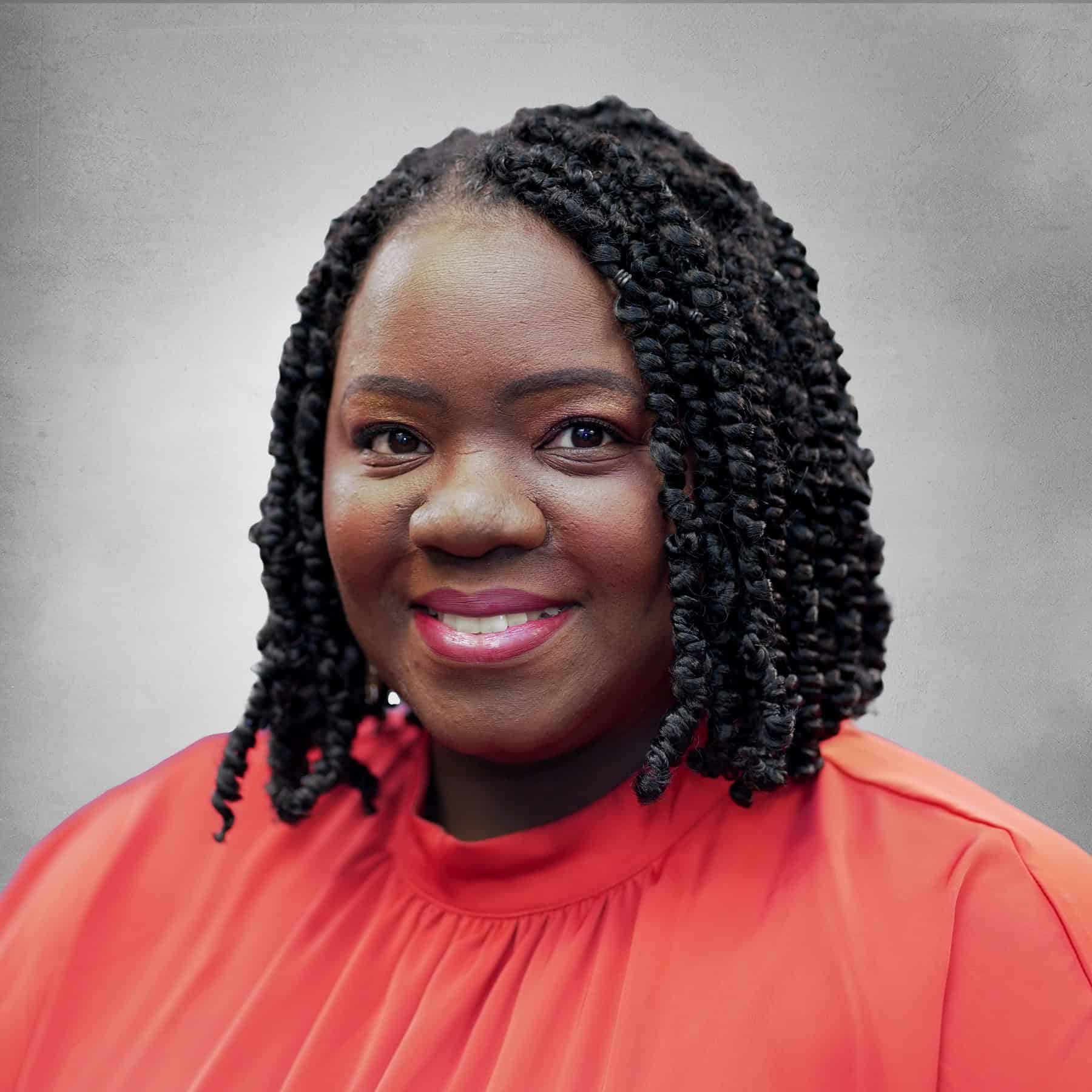
“Our job is to focus on not just the disease, but what happens after,” PM&R Physician Dr. Danielle Hassel says. “We help with the secondary effects of disease or injury: the physical, emotional, social, and functional issues the patient is facing.”
While that is essential to the healing process, some patients need additional support. Regional One Health’s unique Physical Medicine & Rehabilitation (PM&R) program can help.
Danielle Hassel, MD, FAAPMR, recently hosted a Lunch & Learn to discuss how a PM&R doctor, or physiatrist, can play a key role in recovery from an injury or illness.
“Our job is to focus on not just the disease, but what happens after,” Dr. Hassel said. “We help with the secondary effects of disease or injury: the physical, emotional, social, and functional issues the patient is facing. Our ultimate goal is to look at how we can improve all of the things that will impact their quality of life.”
PM&R physicians start by evaluating the patient and getting not only a medical diagnosis, but a functional diagnosis, Dr. Hassel said.
While a medical diagnosis identifies the patient’s specific condition, a functional diagnosis looks at how that condition impacts activities like work, family life, hobbies, and self-care functions like eating, bathing, and getting dressed.
From there, Dr. Hassel helps the patient establish a timeline for making progress and reaching milestones. She takes a personalized, multidisciplinary approach to walking the patient through that journey.
PM&R physicians work with primary care providers and other specialists to manage conditions like high cholesterol, diabetes, high blood pressure, etc. They use medication, medical devices, lifestyle changes, and more to help patients improve their specific diagnosis and overall health.
Pain management is a big part of that. “There are more options than pain pills,” Dr. Hassel said. “We can help patients avoid opioids or at least cut down on pain medication using heat and ice, stretching, and other manual therapies.”
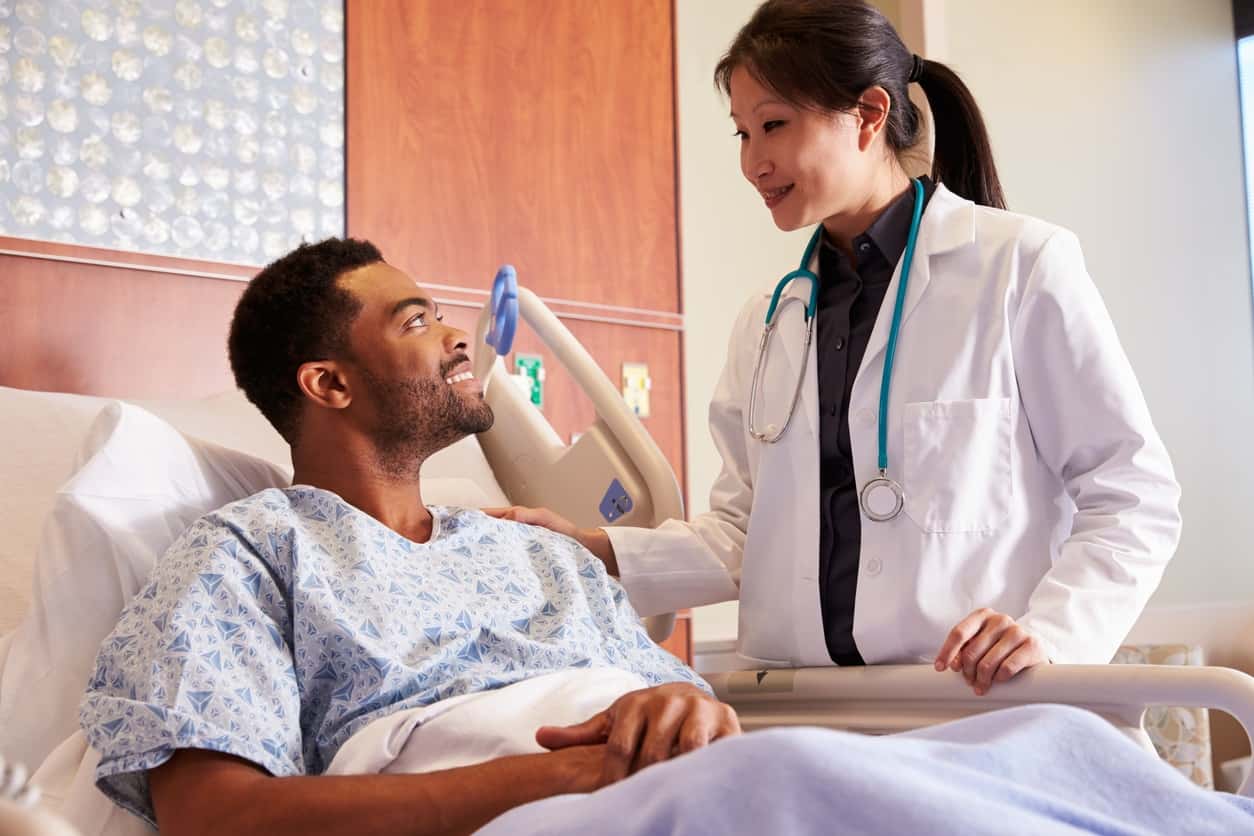
After a serious injury or illness and hospital stay, many patients need additional care and support to regain strength and mobility. Physical Medicine & Rehabilitation teams can help.
They also provide emotional support.
“We treat the whole person,” Dr. Hassel said. “A lot of patients are very vulnerable. Their body has changed. They are sad, upset, angry, and they’re dealing with grief and denial. We help with the physical impairments, and we also address their emotional concerns.”
The Physical Medicine & Rehabilitation team also includes physical, occupational, and speech therapists who work with the patient to improve independence and function.
Dr. Hassel said rehabilitation therapy is designed to improve strength and mobility, reduce pain, and help the patient get back to their normal activities. If needed, therapists can teach patients new ways to perform self-care activities and other skills, improve communication, use orthotic devices and assistive technology, and more.
Through it all, the team continually reevaluates the patient’s condition. If there are barriers or challenges that impede progress, they help address them so the patient can get back on track to achieving their goals.
Dr. Hassel said Physical Medicine & Rehabilitation can help with a variety of conditions. They see patients with diagnoses including stroke, spinal cord injury, traumatic brain injury, sports injuries, cancer, multiple sclerosis, Parkinson’s disease, cerebral palsy, and more.
“Regional One Health is a level one trauma center, so we see a lot of patients with spinal cord injuries and traumatic brain injuries,” Dr. Hassel said.

Physical, occupational, and speech therapy are a crucial part of the Physical Medicine & Rehabilitation program at Regional One Health. Therapists help patients get back to their normal activities.
In those cases, they can help with issues like bladder and bowel control, skin protection for patients who aren’t mobile, muscle tightness, and more. If the injury has caused cognitive or behavioral changes, they can help patients and their families navigate their new normal.
“Family education and community reintegration are a key part of what we do. If we don’t train the caregivers on how they can assist, they won’t know which way to go,” Dr. Hassel said.
She looks at the process as a journey from injury to independence.
“After an injury or illness, patients can get home and find that their life is a lot different than it was before,” Dr. Hassel said. “We can help with that piece of their journey.”