

Genetic testing is helping improve risk management, prevention, and treatment of breast cancer.
At Regional One Health Cancer Care, patients can access genetic testing for breast cancer and many other cancer types.
It allows physicians to offer more targeted care and discuss risk-management options like lifestyle changed, medications, and preventive surgeries.
Breast cancer survival rates are improving thanks to improvements in awareness, screening, and treatment. Genetic testing can play a powerful role in all three of those factors.

Dr. Ashley Hendrix, a breast surgical oncologist, said genetic testing can help improve treatment and risk-management.
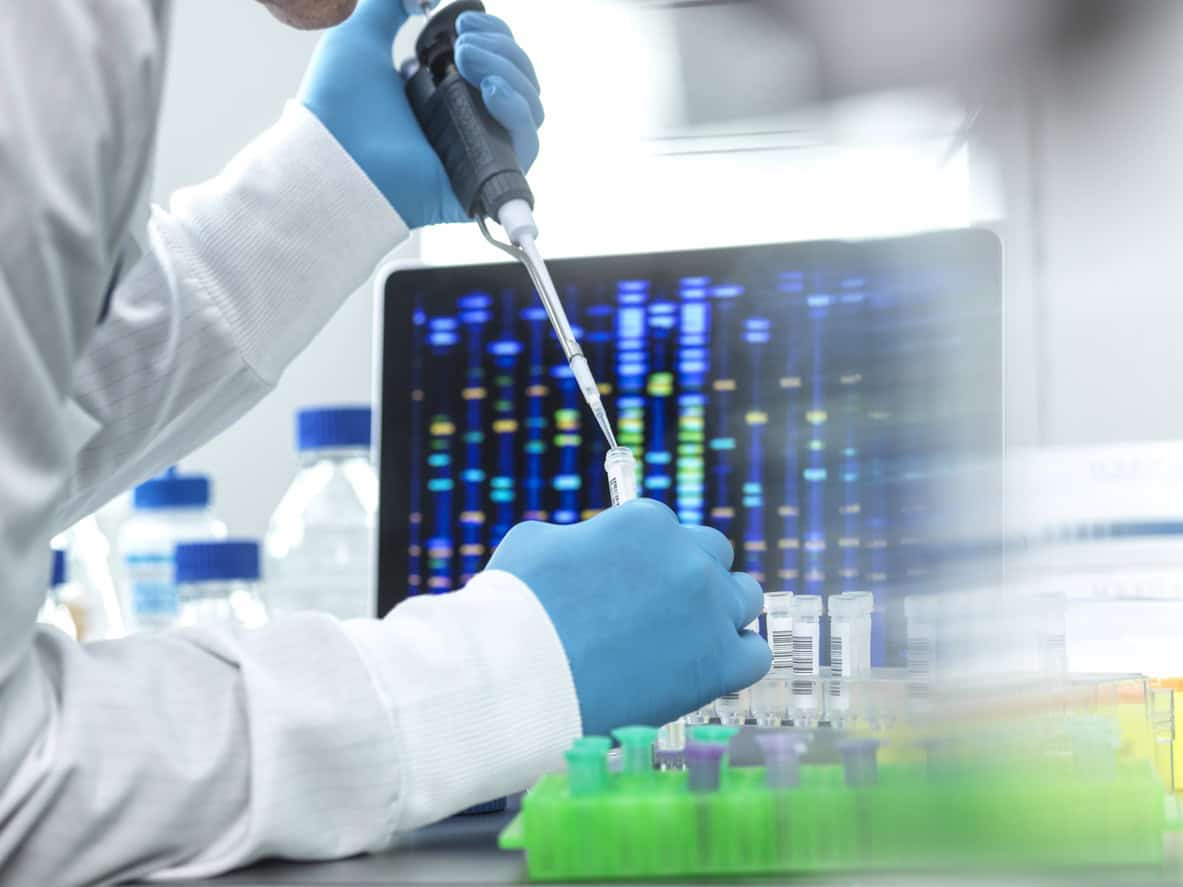
Ashley Hendrix, MD, FACS, a breast surgical oncologist with Regional One Health Cancer Care, said patients qualify for genetic testing based on personal or family history of breast cancer. If you qualify, you’ll have a routine blood draw that will go to a lab to be tested for genetic mutations linked to breast cancer, such as BRCA1 or BRCA2 to name a few.
“For patients with a breast cancer diagnosis, it can help us provide more targeted, effective care,” Dr. Hendrix said. “Some patients with genetic mutations are candidates for targeted medications like PARP inhibitors and immunotherapy drugs.”
Understanding your genetics can also help you make decisions about surgery.
In patients who test positive for a high-risk mutation, a mastectomy or double mastectomy might be appropriate due to the increased risk of recurrence versus a lumpectomy. In some cases, genetic testing can predict if cancer is likely to develop in your other breast.
Dr. Hendrix added mutations can be linked to other cancers, such as BRCA mutations and ovarian cancer, so a patient who tests positive can consider removal of the ovaries and fallopian tubes as well.
While genetic testing has significant benefits for patients who have been diagnosed with breast cancer, it can also play a role in risk management, she noted.
“High-risk patients may need to start mammograms earlier than the average-risk patient at the age of 40,” Dr. Hendrix said. “Or, they may need to have a mammogram more than once a year. Some patients should add breast MRI to their screening schedule.”
A positive test result is also an opportunity to focus on lifestyle changes that help manage risk. “These are great for all patients – not just those with genetic mutations!” Dr. Hendrix noted. “Limiting alcohol, maintaining a healthy weight, staying active, and avoiding tobacco are linked to lower breast cancer risk.”
She also talks to high-risk patients about risk-reducing medication in addition to surgery.
Selective Estrogen Receptor Modulators (SERMs) like tamoxifen are medications that can reduce risk by stopping the growth of hormone-driven cancer cells in premenopausal and post-menopausal patients. Aromatase inhibitors like anastrozole and exemestane lower estrogen levels to prevent tumor growth in post-menopausal patients.
On the surgical side, prophylactic bilateral mastectomy, which is the preventative removal of both breasts, reduces the risk of developing breast cancer significantly for high-risk women.
“It’s also important to remember that genetic testing doesn’t just benefit you – it can help keep your loved ones healthy!” Dr. Hendrix said. “If you test positive for a genetic mutation, you can talk to close relatives like children, siblings, and parents about undergoing genetic testing.
Remember, the more you know about your risk for cancer, the better you can manage that risk. “Arm yourself with as much information as possible and talk to your health care providers about ways you can take charge of your health,” Dr. Hendrix said.
Learn more!
Ashley Hendrix, MD, FACS, is a breast surgical oncologist with Regional One Health Cancer Care. She sees patients at Regional One Health’s Main Campus, 880 Madison Avenue, and East Campus, 6555 Quince Road.