

The Biorepository and Integrative Genomics (BIG) Initiative recently marked a major milestone: the collection of its 10,000th unique DNA sample for use by researchers.
BIG, which is a partnership between Regional One Health and UT Health Science Center, is creating a database that can help researchers study how genes influence the diseases we get and how we will respond to treatment.
Patient participation is completely voluntary, and BIG leaders are grateful for the positive response they have received from people receiving care at Regional One Health.
A BIG milestone for Regional One Health is a BIG deal for the future of health care: the Biorepository and Integrative Genomics (BIG) Initiative has collected over 10,000 unique DNA samples for use by researchers studying new treatments and cures.
The Biorepository and Integrative Genomics (BIG) Initiative began at Le Bonheur Children’s Hospital in 2015. In 2022, a partnership between UT Health Science Center and Regional One Health expanded the initiative to include adult patients at Regional One Health. With each patient’s permission, BIG saves leftover blood from routine care so researchers can study how genes influence disease and response to treatment.
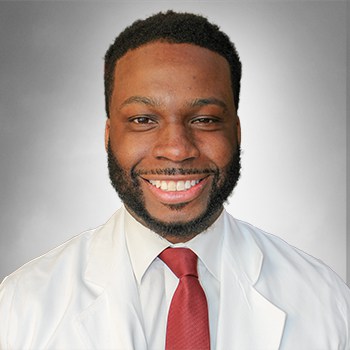
Kito Lord, MD, Physician Advisor and BIG’s clinical lead, said the milestone is the result of a team effort. “We’ve been wildly successful, and that is thanks to overwhelming support from patients, nurses, physicians, and leadership.”
Kito Lord, MD, Physician Advisor and BIG’s clinical lead at Regional One Health, said the milestone is the result of a team effort.
“We’ve been wildly successful, and that is thanks to overwhelming support from patients, nurses, physicians, and leadership,” he said. “They understand this plays an important role in the future of medicine, and that speaks to our vision for Regional One Health.”
Robert Davis, MD, MPH, one of the researchers working on the BIG Initiative, said the project helps position Regional One Health and UT Health Sciences as national leaders in medical research. “If we want to be the hospital of the future, this is exactly what we need to do,” he said. “This data set will be amazingly valuable, because researchers can use it to answer multiple questions.”
For the past four years, a team led by Carol Hendrix, MSN, RN, CCRC, Research Nurse Manager, has worked on adding patients in areas throughout the hospital. They started in inpatient units and recently added outpatient clinics including oncology, internal medicine, and sickle cell.
The enrollment rate exceeded expectations. “Patients want to be part of something bigger,” Dr. Lord said. “They have trust in us and they’re engaged, and we’re really proud of that.”
Hendrix said she is grateful for patients’ receptiveness and the support she has received from care teams in the units she visits.
She said the process starts when her team meets with a patient to seek permission to add leftover blood samples that were drawn as a routine part of their care to the BIG database.
“Participation is completely voluntary,” Hendrix stressed. “If a patient agrees, their medical record is coded so they can’t be identified and linked to their blood sample. Their name and any other identifying information are removed and replaced with a number, and DNA extracted from their sample is linked only to that number.”
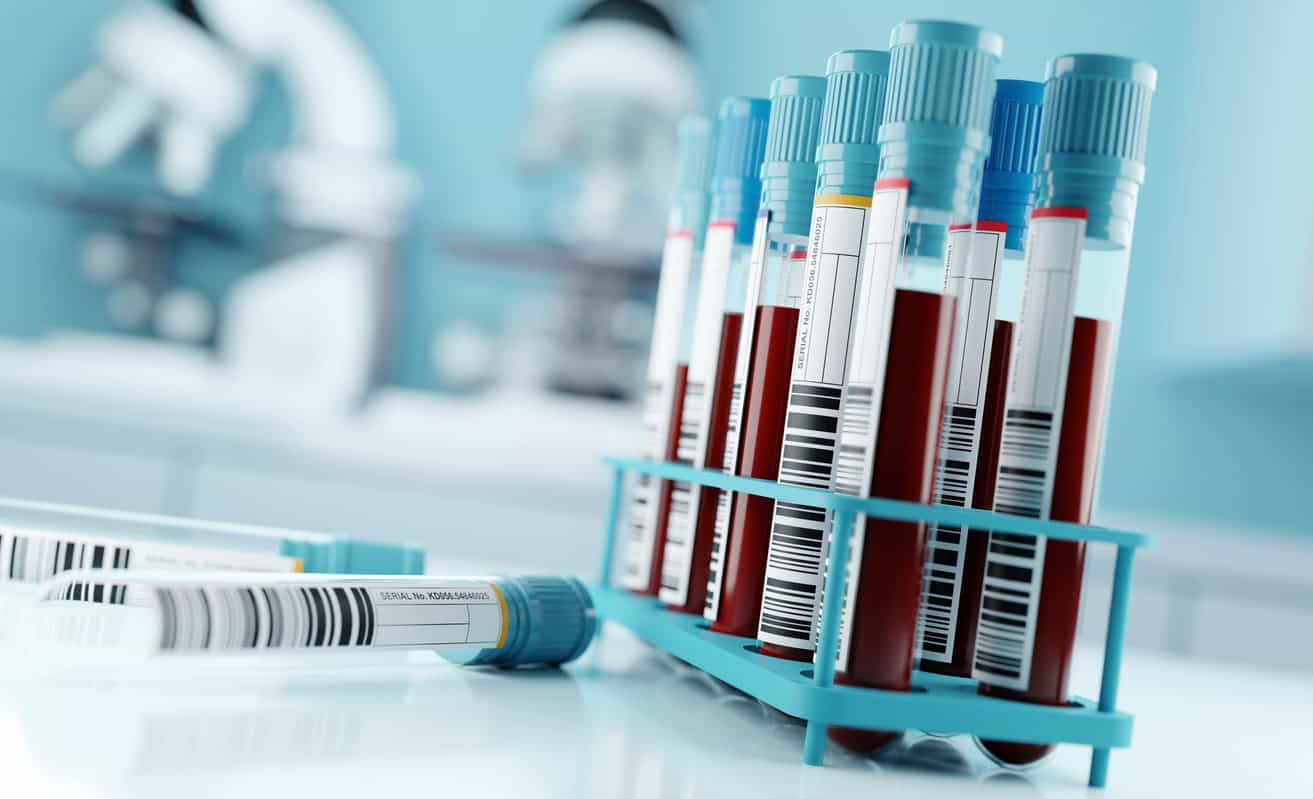
The BIG team meets with patients to ask their permission to add leftover blood samples that were drawn as a routine part of their care to the BIG database. Participation is completely voluntary and patient privacy is fully protected.
The DNA is then added to the BIG database. From there, researchers can request access to specific types of samples as they study new treatments for a variety of conditions.
Dr. Lord said it can change how medicine is delivered.
“The process has always been to give a medication, see how it works, then adjust as needed,” he said. “What if we knew right away that this is precisely the optimal medicine for you based on your metabolic profile? That’s the goal.”
Dr. Davis added, “We can make sure not only that they get the best medicine, but they don’t get a medicine that could hurt them.”
Dr. Lord gives the example of a man who started taking a new blood pressure medication and developed life-threatening complications due to a rare side effect. The patient made a full recovery, but Dr. Lord said BIG can help avoid those situations.
“If we knew ahead of time that someone with his genome and his metabolism would have these bad outcomes, we could have optimized his care and avoided those side effects,” Dr. Lord said. “Building the BIG repository will help us answer questions like that.”
Dr. Davis said building a large repository is essential, which is why the 10,000th sample is such an important milestone. “If you enroll 100 people, maybe 20 have heart disease, 20 have diabetes, and 20 have COPD. Maybe 5 percent will have seizures and 2 percent will have lupus,” he said. “You have to have a large database to reach the numbers researchers need.”
He added that BIG recently partnered with Together for CHANGE, a separate initiative working to increase the representation of people of African ancestry in genomic research.
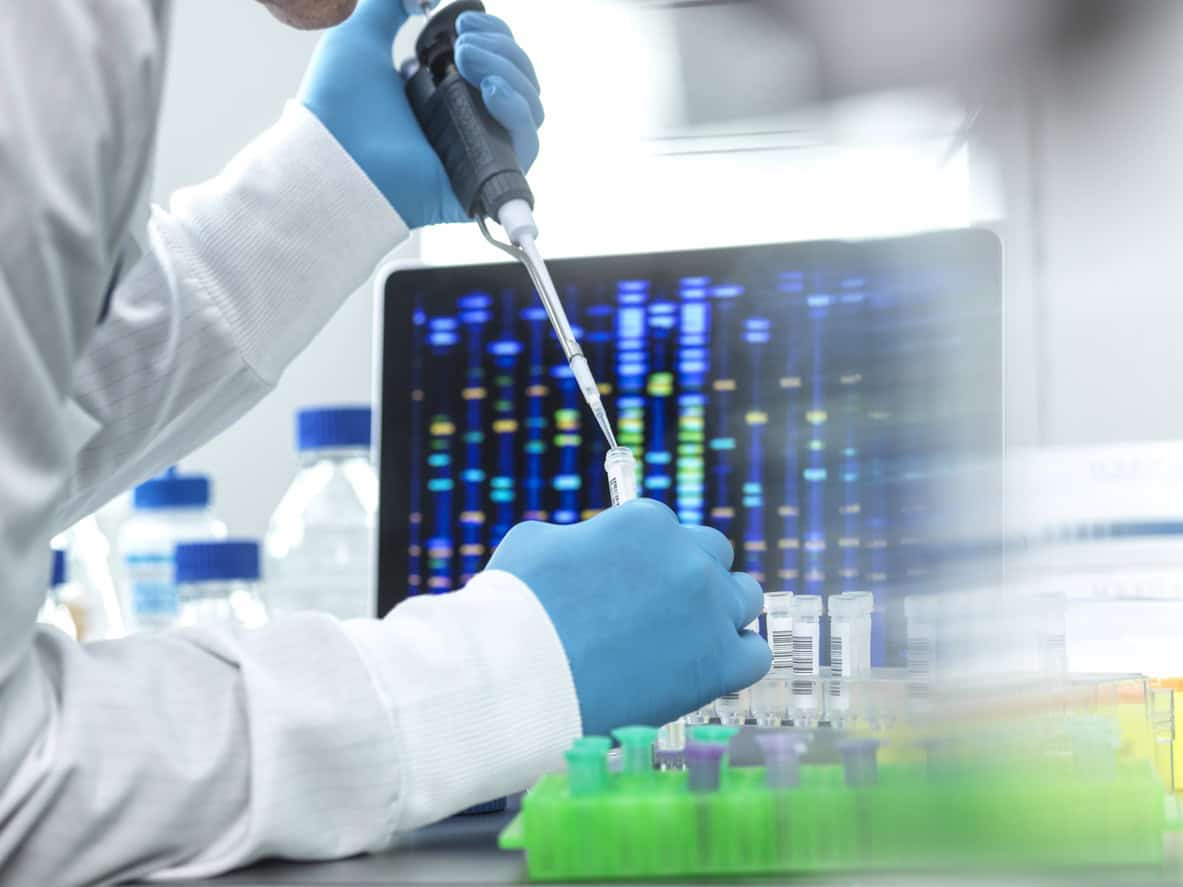
The BIG database will help researchers study how genes influence disease and response to treatment.
“Our project exists for the people of Memphis, but it’s also part of a larger collaborative project to create the world’s largest database on African Americans so all the precision health that’s been developed on other ethnicities can also be developed for African American patients,” he said. “We’re excited to work alongside Meharry Medical College and other HBCUs (Historically Black Colleges and Universities) to accomplish that goal.”
“Medical advances are strongest when the people included in research reflect the communities those advances are meant to serve,” Dr. Lord added. “Greater representation helps us identify differences in disease risk and treatment response that might otherwise be missed. That’s essential to making precision medicine useful for more patients.”
Hendrix noted BIG is already playing an important role in research around sickle cell disease, a hereditary condition that primary impacts Black patients.
The team looks forward to seeing more answers emerge from the BIG repository – and to the impact it will have on Regional One Health and the health of the surrounding community.
They noted the initiative not only draws in researchers, it helps the health care system recruit and retain the best providers – all at a time when Regional One Health is building a new campus to meet the community’s medical needs and support innovation.
“The hospital of the future has to be built around the people it serves,” Dr. Lord said. “As Regional One Health strives to build an academic medical center for Memphis and Shelby County, BIG gives our patients and care teams a role in shaping what comes next: better research, more precise treatments, and care that reflects the needs of our community.”
To learn more, visit www.regionalonehealth.org/big-research/