

Colorectal cancer rates are increasing, and more patients are being diagnosed at a younger age.
Regional One Health Cancer Care surgical oncologist Saloni Mehrotra, MD recently held a “Lunch & Learn” to raise awareness about risk factors, symptoms, screening, and treatment options.
By following your doctor’s recommendation for colonoscopies and other screening tests, you can catch colorectal cancer early or even prevent it!
With colorectal cancer rates on the rise and patients being diagnosed earlier, awareness and proper care are essential to staying healthy.
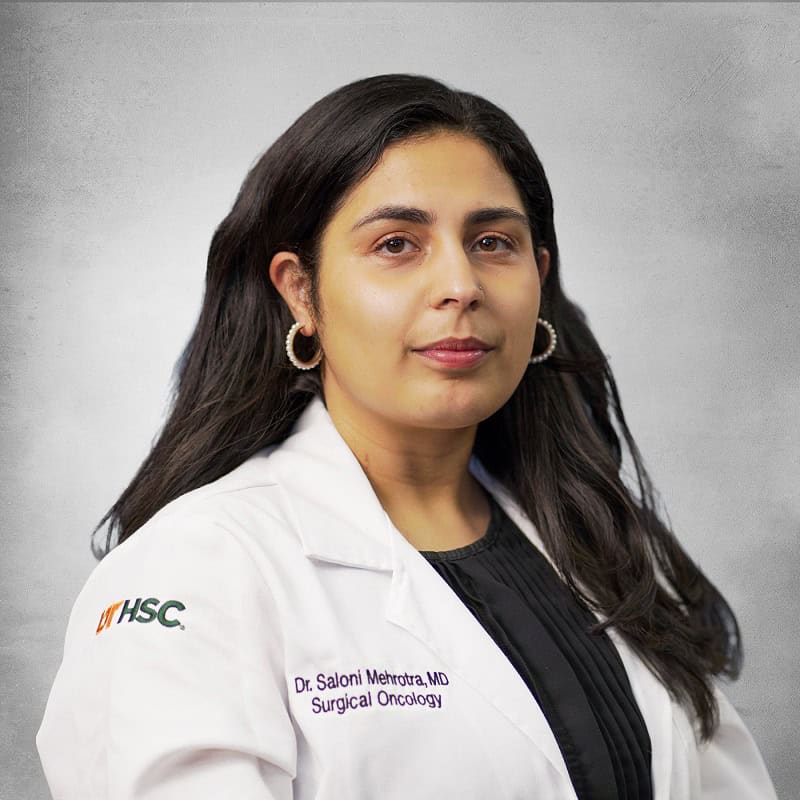
Dr. Saloni Mehrotra is a surgical oncologist with Regional One Health Cancer Care. She specializes in the treatment of colorectal cancer.
Saloni Mehrotra, MD, a surgical oncologist with Regional One Health Cancer Care who specializes in treating colorectal cancer, held a “Lunch & Learn” to discuss the latest developments in preventing, detecting, and treating the disease.
“Some patients ignore symptoms for months or even years, and that can delay diagnosis and treatment and let something that was small become advanced,” she said. “People feel anxious about getting a colonoscopy, but it is the gold standard because it can both detect and prevent cancer. If we find a polyp that is pre-cancerous, we can remove it before it ever becomes cancer.”
Colorectal cancer is the third most common cancer diagnosis and the second leading cause of cancer deaths. It is the leading cause of cancer deaths in people under age 50.
The increase of diagnoses in younger patients has caused the recommendation for colonoscopies to change. Average-risk patients should have their first colonoscopy at age 45. If their screening comes back clear, they only need to screen every 10 years.
Patients with a higher risk due to a family history of colorectal cancer or a personal history of Crohn’s disease or ulcerative colitis, or symptoms like rectal bleeding, abdominal pain, or changes in bowel movements, should talk to their provider about their screening needs.
In general, Dr. Mehrotra said, patients with a family history should start colonoscopies when they are 10 years younger than the age at which their family member was diagnosed – so if your relative was diagnosed with colorectal cancer at age 45, start screening at 35. Some high-risk patients are also eligible for genetic testing.
While Dr. Mehrotra said colonoscopies are essential to screening and prevention, she noted there are new non-invasive screening tests available as well.
Fecal Immunochemical Tests (FIT) and Fecal Occult Blood Tests (FOBT) test a stool sample that patients collect at home. It’s easy and does not require the prep associated with colonoscopies but is prone to false positives if the patient has bleeding from hemorrhoids.
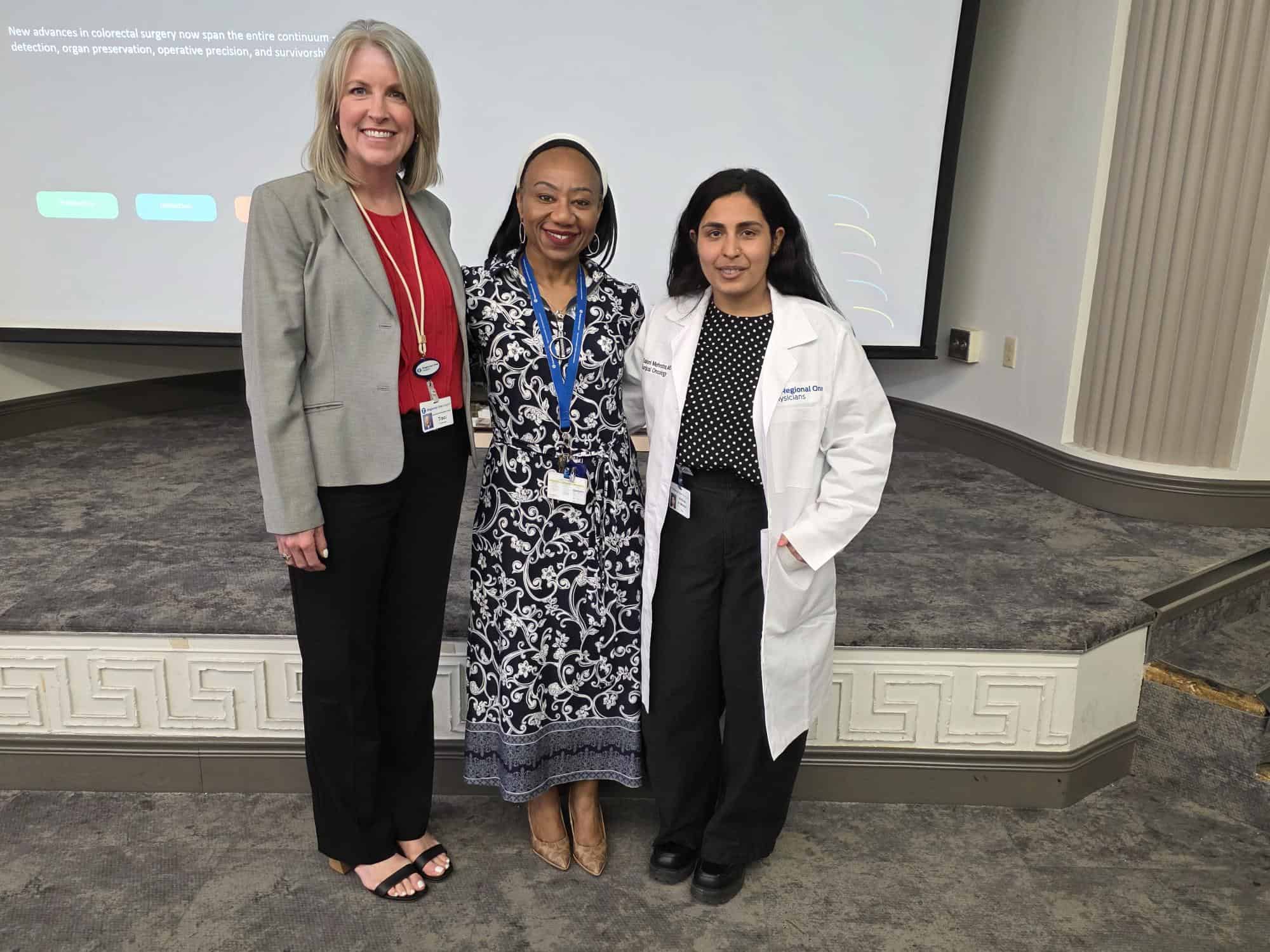
Dr. Mehrotra hosted a “Lunch & Learn” to raise awareness about risk factors, symptoms, screening, and treatment of colorectal cancer. She encouraged patients to follow colonoscopy recommendations to catch the disease early or event prevent it.
Stool DNA tests and a new blood test can detect DNA from cancerous cells. However, Dr. Mehrotra said, they are more effective for detecting cancer that is advanced and may not detect pre-cancerous or early-stage tumors.
Finally, CT colonoscopies are essentially a CT of the intestine. “You still need to do the prep …and if they see a polyp they need to remove, you’d still need a colonoscopy,” she said.
In fact, “While all of these tests are better than nothing, if you have a positive result you still need a colonoscopy within 9 months. That’s the time in which something can grow and spread. If you get a positive result, you need to act on it quickly.”
Along with screening, there are steps you can take to manage your risk, Dr. Mehrotra said.
“Lifestyle matters. There is strong evidence that regular physical activity and a diet rich in fiber, whole grains, and fruits and vegetables has a protective effect. Maintaining a healthy weight and avoiding smoking and excessive alcohol consumption also provide protection.”
While prevention and early detection are always the first goal, there are advances in how doctors treat colorectal cancer.
New minimally invasive surgical techniques are improving survival rates and quality of life.
Regional One Health is the only hospital in Memphis with the Da Vinci 5 robotic surgery platform, the most advanced technology available. That lets the hospital offer minimally invasive procedures for more patients, even those who previously weren’t good candidates.
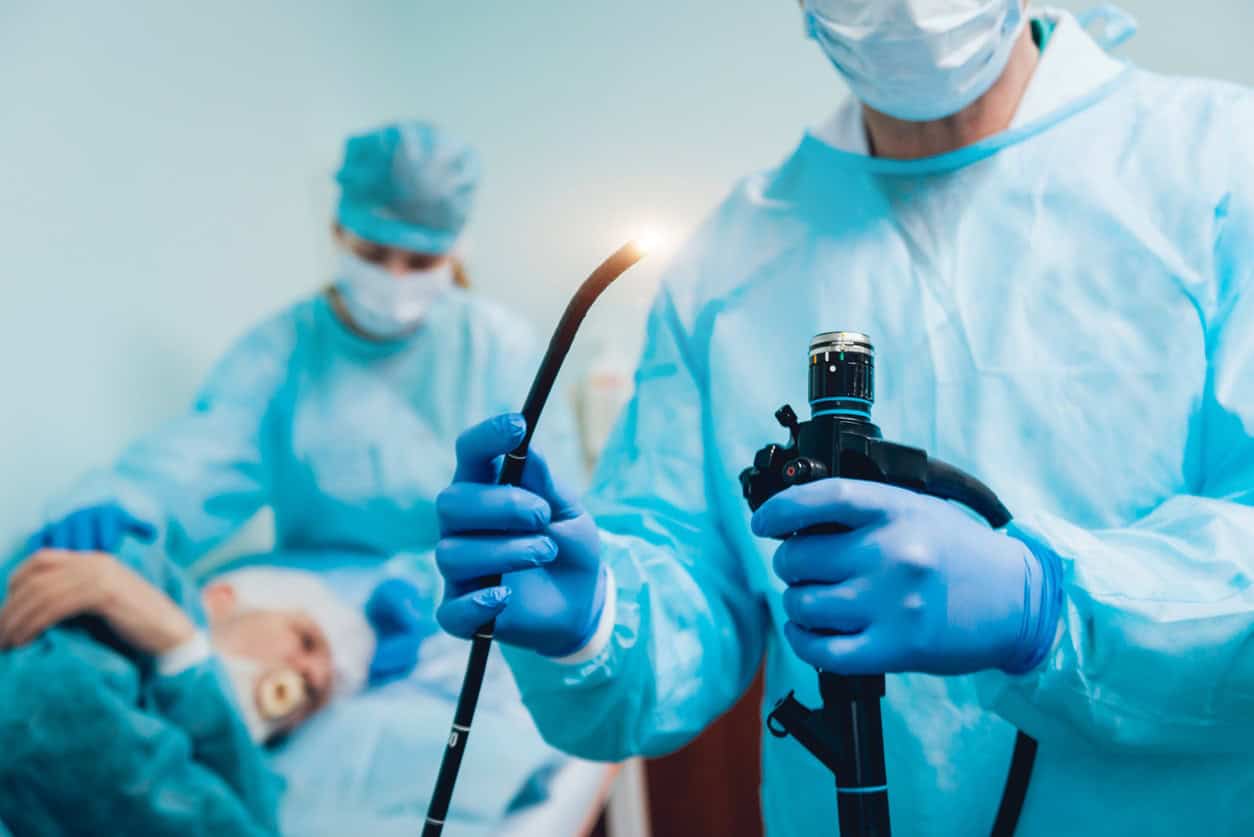
“People feel anxious about getting a colonoscopy, but it is the gold standard because it can both detect and prevent cancer. If we find a polyp that is pre-cancerous, we can remove it before it ever becomes cancer,” Dr. Mehrotra says.
Minimally invasive surgery involves very small incisions, meaning patients recover quicker and often don’t need an overnight hospital stay. There are also endoscopic options for early-stage cancer that require no incision at all.
Medical oncology has advanced as well.
Dr. Mehrotra said certain subtypes of colorectal cancers respond to immunotherapy, which triggers the body’s immune system to fight cancer.
Immunotherapy targets diseased cells while sparing healthy cells, which means it is highly effective and often easier on the patient.
“Every patient diagnosed at Regional One Health undergoes genetic testing to see if they are a candidate,” Dr. Mehrotra said. “We want to make sure all patients who qualify have access to this wonderful treatment, which means they may not need chemotherapy, radiation, or surgery. For those who can benefit from it, it can be life-changing.”
Dr. Mehrotra said the field continues to advance, and upcoming developments will focus on personalization of screening, additional advances in immunotherapy and minimally invasive surgery, and organ preservation.
“There are a lot of exciting advances,” she said. “With better awareness, screening, and treatment, we can help more patients survive and live a normal life after their treatment.”