

Amber Zuber had to make difficult decisions after genetic testing revealed she was positive for the BRCA2 “breast cancer gene,” putting her at a much higher risk of developing breast cancer.
Fortunately, those decisions were made easier by the availability of advanced preventive surgery at Regional One Health.
Amber was able to have a prophylactic mastectomy and breast reconstruction in a single surgery, which allowed her to reclaim her peace of mind without multiple procedures.
When Amber Zuber tested positive for the BRCA2 breast cancer gene, she made the decision to have a double mastectomy to prevent a breast cancer diagnosis.
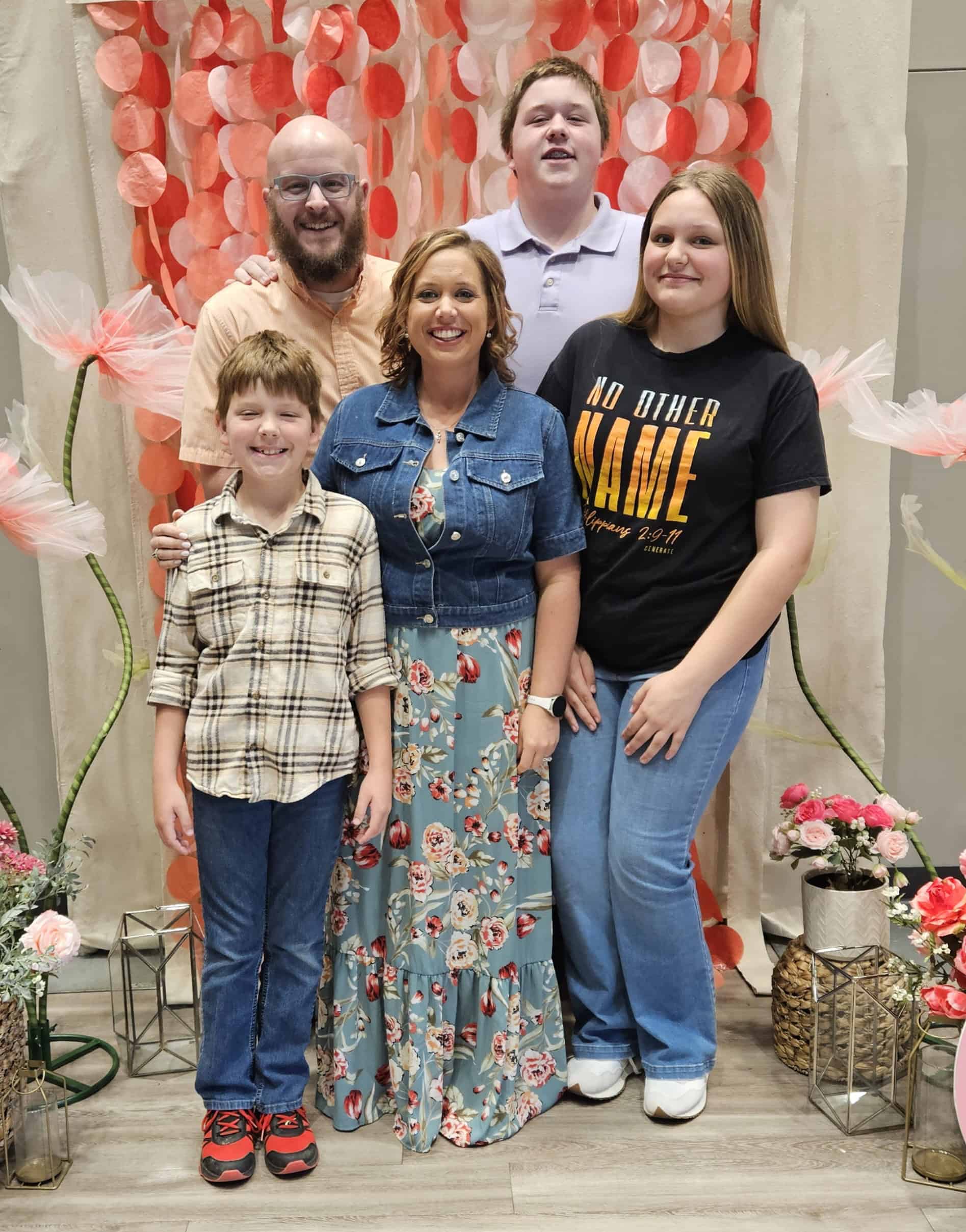
For Amber, preventing a breast cancer diagnosis was all about being there for her family. She is grateful that Regional One Health offered the advanced care she needed.
It was a decision she made as a daughter who watched her mother go through surgery and radiation twice… as a wife to a husband who had recently overcome his own cancer diagnosis… and as a mom of three children who she wants to arm with knowledge of their own cancer risk.
None of those things made it an easy decision, but it is a decision that wouldn’t have even been possible without plastic surgeon Thao Wolbert, MD and Regional One Health Cancer Care breast surgical oncologist Ashley Hendrix, MD, FACS. Thanks to their expertise, Amber was able to have her mastectomy and reconstruction in a single surgery at Regional One Health.
“Patients like Amber are already dealing with the psychological weight and emotional toll of their cancer risk,” Dr. Wolbert said. “When you add the coordination, timing, stress, and financial burden of having multiple surgeries, a lot of people don’t have the resources.”
Amber’s journey started after her mom was diagnosed with invasive ductal carcinoma in both breasts and tested positive for BRCA2. Amber underwent testing and learned she was positive.
Patients who test positive for BRCA2 have about a 45-70 percent chance of developing breast cancer by age 70, compared to a 12 percent risk for the general population. A bilateral mastectomy greatly reduces that risk.
Amber had just supported her husband through successful treatment for stage 4 lymphoma, so she knew how difficult a cancer diagnosis would be for her and her family. She also knew the prospect of multiple surgeries to remove and restore her breasts would be grueling.
Amber determined her best option would be a bilateral free flap breast reconstruction with a nipple-sparing mastectomy – a procedure that would allow her to nearly eliminate her breast cancer risk and rebuild her breasts with her own tissue, all with just one procedure.
The problem?
The closest hospital where she could access the complex procedure was in New Orleans.
“I would have to take time off work and travel to New Orleans. I’d have to go a day or two ahead of surgery, and then stay in a hotel after the surgery until the drains were removed. I’d have to have a person over age 18 with me all the time. We would have had to pay for a hotel, food, travel. We would have been there for two or three weeks.”
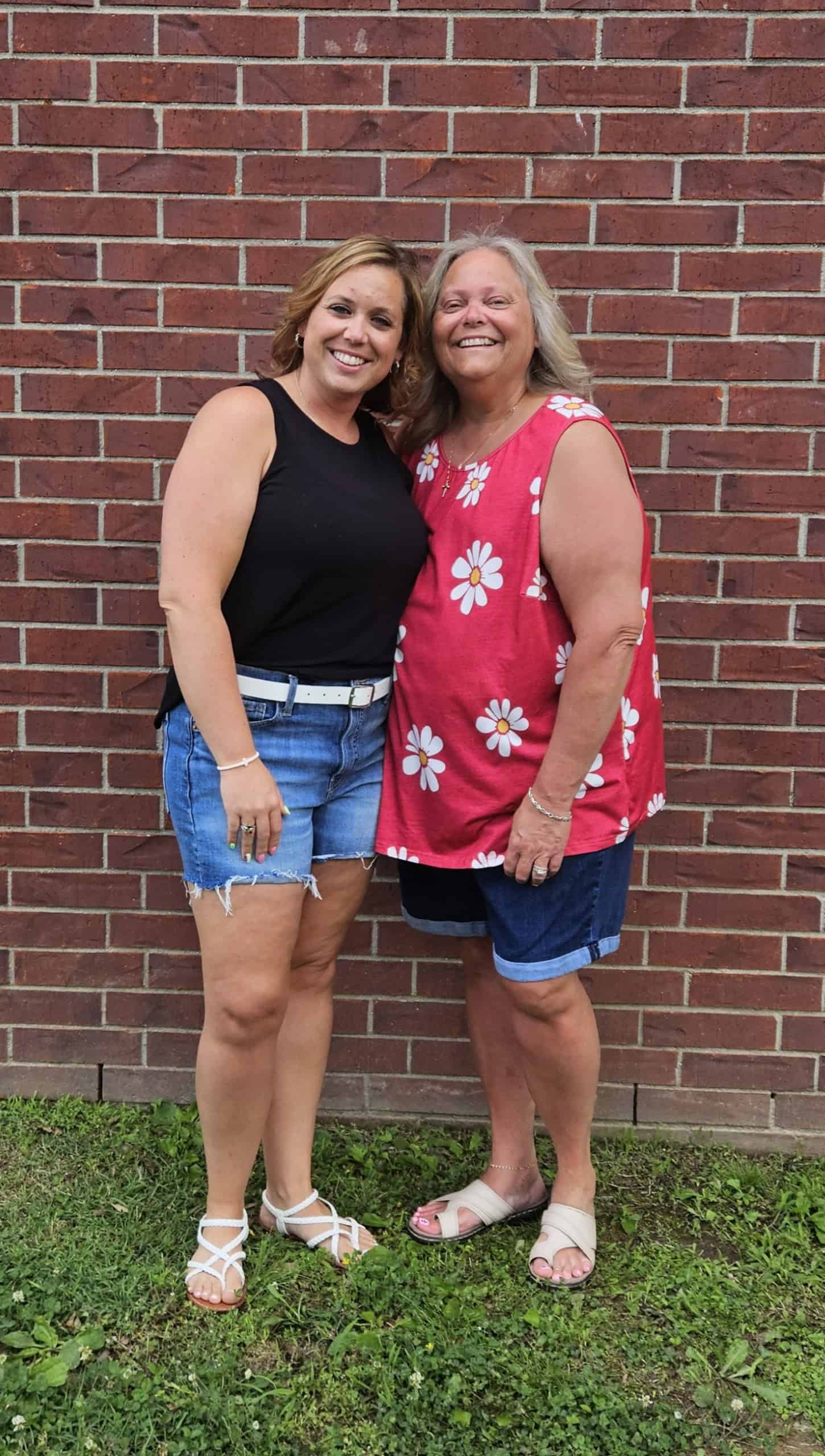
Amber watched her mom go through surgery and radiation twice, so she knew how difficult it can be.
“It just wasn’t an option,” she said. “Dr. Wolbert and Dr. Hendrix changed that.”
As academic surgeons in partnership with University of Tennessee Health Science Center, Dr. Wolbert and Dr. Hendrix have the advanced expertise necessary to perform the bilateral free flap. Regional One Health is also unique in that it has the nursing personnel, surgical technicians, anesthesiology team, surgical facilities, and other resources necessary for complex procedures like Amber’s.
“It requires a microsurgery program with full support, a team dedicated to microsurgery, and staff who are familiar with this,” Dr. Wolbert said. “We have the staff and resources to provide that to the community.”
During the procedure, Dr. Hendrix performed the double mastectomy; then Dr. Wolbert, supported by fellow plastic surgeon Muntazim Mukit, MD, used tissue from Amber’s abdomen to rebuild her breasts – an intricate process that involves using a microscope to connect blood vessels as small as a strand of hair. Dr. Hendrix and Dr. Wolbert were even able to preserve Amber’s nipples and bellybutton.
All of that was critical for Amber. Her body is sensitive to foreign substances – she can’t wear makeup or use certain lotions – so she had been worried about rejection if she used implants. She also wanted a natural look and feel: “I like the fact that my breasts still feel natural,” she said. “They look and feel just like they did before.”
It was a challenging surgery and recovery, but Amber said her medical team supported her through each step.
“They came and checked on me all the time. Dr. Wolbert even called me from Vietnam when she was on vacation – that woman is fantastic!” she said. “Everything was very organized, and even though I was anxious, everyone was very calming.”
Amber let her team know she wanted to get up and move as quickly as possible. “Physical therapy came within hours to help me get up and walk around,” she said. “I got out of surgery Wednesday morning and I was able to go home Friday evening. They listened to what I wanted and honored it the best they could, while always making sure I was safe.”
As she continues to recover, Amber is confident the difficult decision she made was the right one for her and her family. “Having this procedure was a relief. It absolutely is,” she said. “I can’t get breast cancer. I don’t have to worry about that. That feels fantastic.”

“We’re thrilled that we’re able to provide a surgery that is much needed for Memphis patients,” said Dr. Thao Wolbert, who collaborated with Dr. Ashley Hendrix on Amber’s procedure.
Amber continues regular monitoring with Dr. Hendrix, and has been able to focus on improving her overall health as well.
She had lost 120 pounds leading up to her surgery and continues her commitment to a healthy diet and exercise routine: “I’m able to get around better than I was before surgery, and the cosmetic results have been life-changing,” she said. “My clothes fit better. I feel better.”
Dr. Wolbert and Dr. Hendrix look forward to making that possible for more Mid-South patients.
“Before, I’ve had to send patients out of state for reconstruction surgery. This gives women another option other than to just close the flap after a mastectomy or to use an implant,” Dr. Hendrix said. “We’re excited to bring something patients need and want closer to home.”
“We can support patients during and after surgery, and if they have an issue, they can come in right away – you can’t do that if you live far away,” Dr. Wolbert added. “We’re thrilled that we’re able to provide a surgery that is much needed for Memphis patients.”