

Sleep plays an important role in heart health, but too many patients aren’t talking about it with their provider.
Sleep disorders like sleep apnea can increase your risk of cardiovascular disease, hypertension, diabetes, and other serious concerns.
If you’re struggling with sleep, see a sleep physician – they can help you develop a personalized plan to get the rest you need.
Patients are used to talking to their doctor about improving heart health through diet and exercise. Make sure you’re also discussing your sleep habits!
Many patients underestimate the significant impact sleep can have on heart health. Inadequate sleep or untreated sleep disorders like sleep apnea can have especially severe consequences.
As a sleep medicine physician, Dr. Ariel Long can help guide you to better cardiovascular health.
“While you sleep, your body repairs itself. Your heart rate slows and your blood pressure drops, giving your heart and blood vessels time to rest and repair themselves,” Dr. Long said. “If your sleep is interrupted night after night, that recovery time is lost, eventually increasing the risk of serious heart problems.”
Getting 7-9 hours of sleep each night helps protect your heart. When you don’t get enough sleep, your heart must work harder, which over time can increase risk of high blood pressure, heart attack, heart failure, stroke, irregular heartbeat (atrial fibrillation), and diabetes. Dr. Long said studies show people who sleep less than 6 hours per night have a much higher risk of these problems compared to people who get 7-9 hours of sleep.
Poor sleep can worsen diabetes and contribute to weight gain, which raises your risk of cardiovascular disease, she added. Chronic sleep disruptions also cause the heart to stay in a constant state of high alert, increasing stress hormones, blood pressure, and inflammation – all of which can damage blood vessels over time.
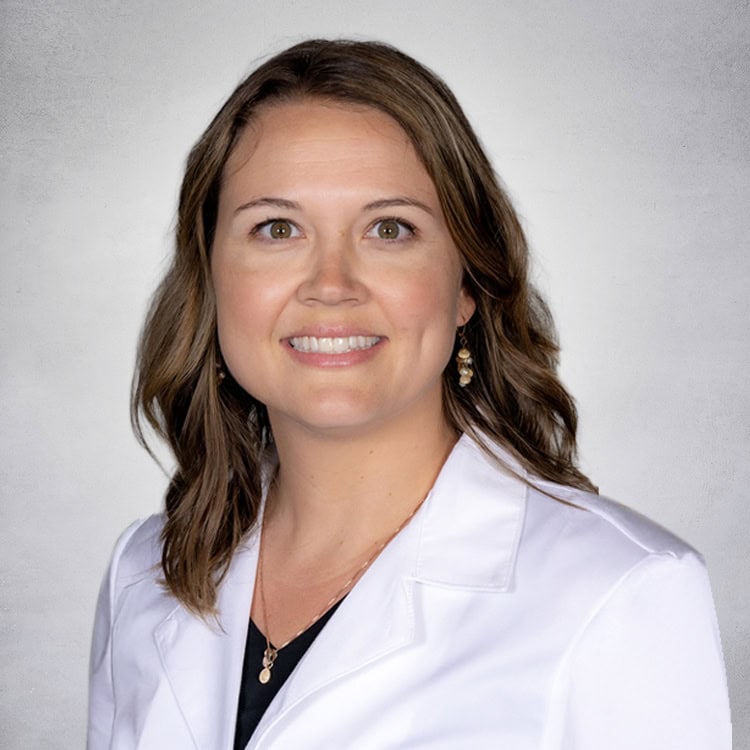
“Seek care early to address issues before they contribute to serious health problems. Along with protecting your heart, you’ll give yourself better energy, focus, and quality of life!” says sleep physician Dr. Ariel Long.
Sleep apnea is one of the most common sleep disorders. “Patients actually stop breathing repeatedly while they sleep,” Dr. Long said. “Every pause in normal breathing lowers oxygen levels, causing the body to wake briefly to restart breathing. These disruptions can put stress on the heart and blood vessels.”
Studies link untreated sleep apnea to elevated risk of hypertension, heart attack, stroke, heart failure, and atrial fibrillation. Common signs include loud snoring, gasping or choking during sleep, feeling very tired during the day, morning headaches, and trouble concentrating.
“To diagnose sleep apnea, we ask you to undergo a sleep study. Usually, this can be done at home,” Dr. Long said.
If you have sleep apnea, the typical treatment is a CPAP machine, which keeps the airway open at night, preventing pauses in breathing. However, CPAP is not the only option, and your doctor can work together to find your best treatment based on your medical history, severity of sleep apnea, and preferences.
For some patients, the issue is something other than sleep apnea. “We can identify the root cause of sleep disorders like insomnia, restless leg syndrome, and circadian rhythm disorders,” Dr. Long said. “Then, we can find the right treatment plan, which can include better sleep hygiene, lifestyle changes, medication, and other options.”
Treating sleep disorders can help lower blood pressure, improve heart rhythm stability, and reduce strain on the heart. Studies show patients who use CPAP for 4 or more hours per night have significantly lower risk of heart attack, stroke, and other cardiovascular events.

Getting plenty of rest helps improve your heart health. Poor sleep is linked to cardiovascular disease, hypertension, diabetes, and other serious concerns.
Remember these simple ways to improve your sleep:
- Go to bed and wake up at the same time every day
- Keep your bedroom dark, quiet, and cool
- Avoid caffeine and large meals before bedtime
- Turn off phones, tablets, and TVs at least 30 minutes before bed
- Get regular exercise, but not right before bedtime
- Limit alcohol, which can disrupt your sleep
“As a sleep physician, I encourage patients to pay attention to symptoms like snoring, daytime fatigue, morning headaches, and frequent waking at night. These can all signal a sleep disorder – and the possibility your heart isn’t getting the rest it needs,” Dr. Long said.
“Seek care early to address issues before they contribute to serious health problems. Along with protecting your heart, you’ll give yourself better energy, focus, and quality of life!”