Hot, humid summer weather can make it easier to become dehydrated.
That can cause everything from uncomfortable headaches and muscle cramps to serious issues like neurological symptoms and poor kidney function.
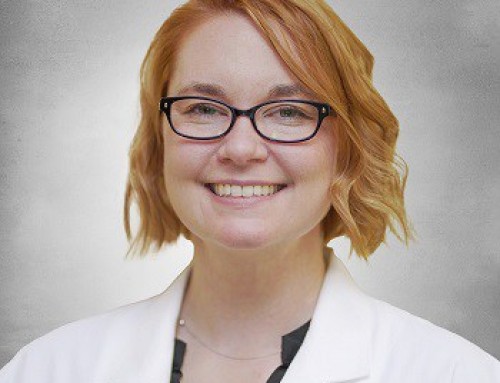
Dr. Anna Yang, an emergency medicine and primary care physician at Regional One Health, has some advice for making sure you’re getting enough water.
As temperatures rise and humidity increases, it’s essential to pay attention to your body’s cues that you need to drink more water.
Thirst, a dry mouth, headaches, and muscle cramps are common signs of dehydration, but there are other signs that might surprise you!

Dr. Anna Yang is an emergency medicine and primary care physician at Regional One Health. She reminds patients to pay attention to signs of dehydration so they can avoid a medical emergency.
Dr. Anna Yang, an emergency medicine and primary care provider at Regional One Health, is helping patients recognize and address dehydration before it becomes an emergency. Here’s what to look for and what to do about it!
Dehydration may cause pain
Along with muscle cramps, dehydration can contribute to joint pain, Dr. Yang said.
Cartilage is 70-80 percent water, so it becomes brittle when you’re dehydrated. That leads to friction and inflammation, which cause pain. Long-term dehydration can increase wear-and-tear on your cartilage.
Furthermore, the fluid that lubricates your joints relies on hydration too. Without it, you feel stiff, and your joints have reduced shock absorption.
It can mirror neurologic symptoms
Dr. Yang noted your brain is about 75 percent water, so it needs proper hydration to function! That’s why you get a headache when you’re dehydrated.
Your brain also needs to receive enough blood flow to function, and blood is about 80 percent water. That’s why you might also feel dizzy when you’re dehydrated.
“Mild dehydration can impair your short-term memory and your ability to think and pay attention. It can make you anxious, tense, and fatigued,” Dr. Yang said. “More severe dehydration can cause more alarming cognitive symptoms like confusion, hallucination, and even stroke-like symptoms. Older adults are especially vulnerable.”
Your kidney function can suffer
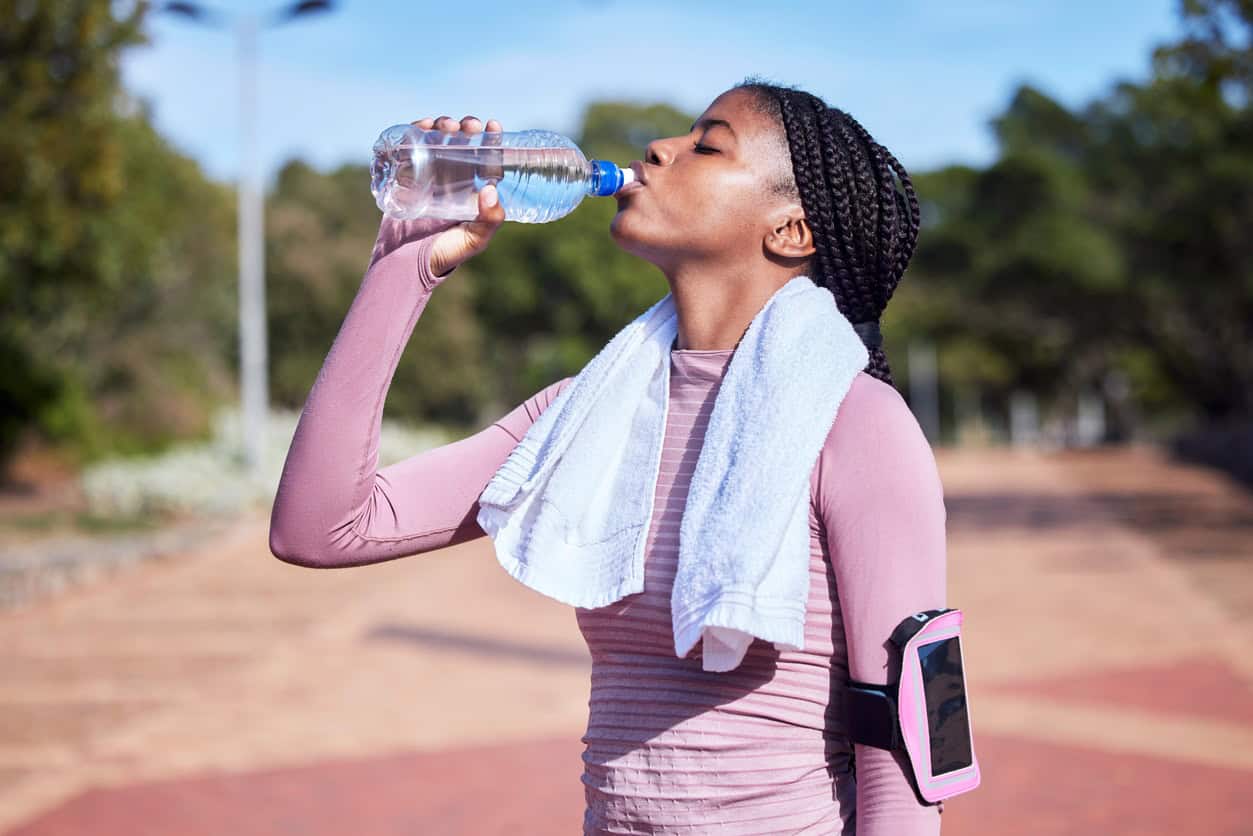
If you’re active outdoors, you most likely need to drink more water. Don’t wait until you’re thirsty – hydrate throughout the day.
When you don’t drink enough water, your kidneys have to work harder, Dr. Yang said. That means waste can build up in your body and make you sick.
Chronic dehydration can cause kidney stones, urinary tract infections, and even irreversible kidney damage.
“Your urine should be pale yellow, like the color of lemonade. If it is dark yellow or amber, you need to drink more water,” Dr. Yang said.
It can make you look older
Water plumps the skin, makes it more elastic, and adds vibrancy.
Dr. Yang noted when you’re dehydrated, your skin may feel tight and look dull. You may also see more fine lines and wrinkles.
Over time, dehydration can weaken your skin barrier, leading to itchy, dry patches, redness and irritation, acne, and potentially more serious infections too.
You might have bad breath
Dehydration is a direct cause of halitosis, or bad breath.
“It reduces the flow of saliva, giving odor-causing bacteria a chance to thrive. Saliva acts as a natural cleanser to wash away bacteria and food particles,” Dr. Yang explained.
In the long-term, a chronically dry mouth is at increased risk of gum disease as well. This can lead to severe, persistent halitosis.
What can I do?
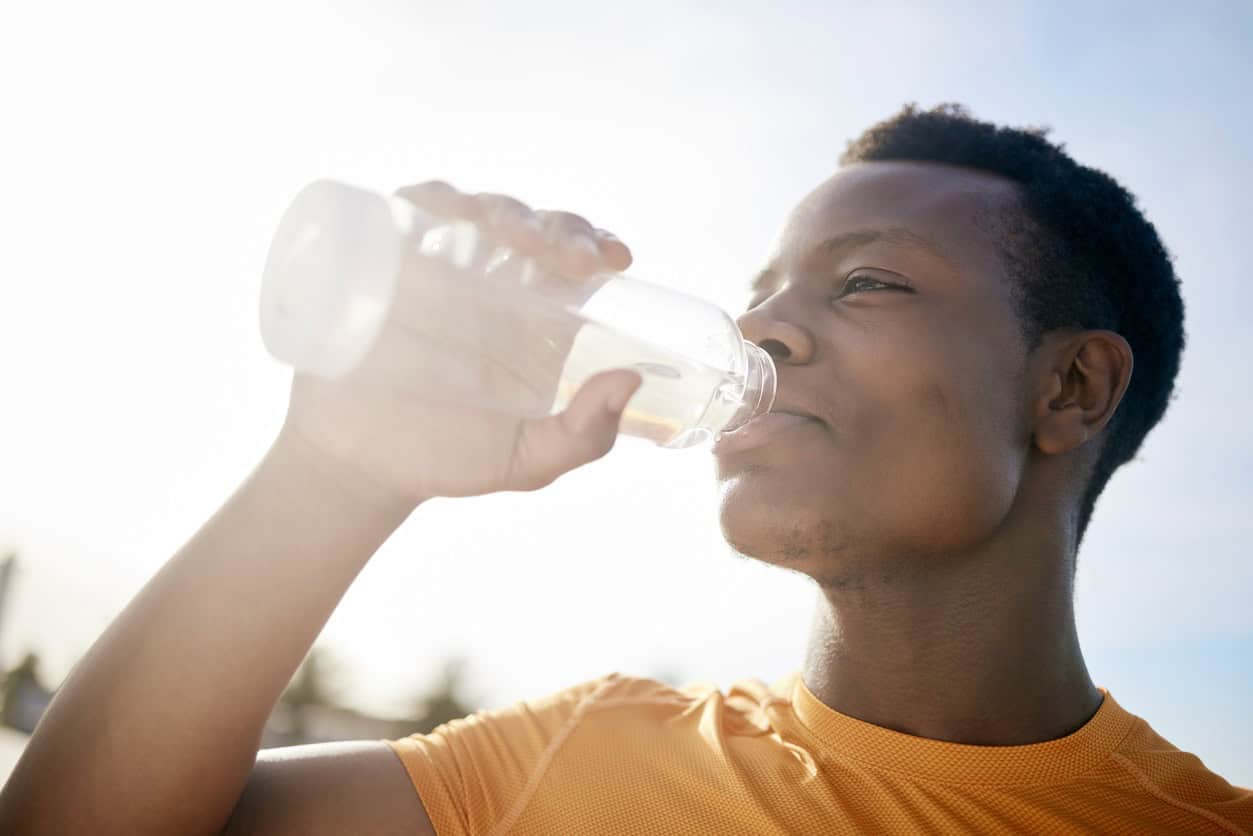
Drinking plenty of water helps you avoid dehydration symptoms like headaches, muscle cramps, kidney issues, and cognitive problems like confusion.
Fortunately, there are simple ways to stay hydrated, Dr. Yang said.
Start the day with a glass of water, and drink one with each meal. Drink water throughout the day as well – don’t wait until you’re thirsty! Water-rich foods like cucumbers, celery, and watermelon boost hydration too.
For the average healthy adult, aim for approximately one-third to half of your body weight in ounces of water each day; e.g., a 150-pound person should have 50 to 75 ounces of water a day. Drink more if you exercise or spend a lot of time outside in the heat and humidity.
If you have a medical condition that limits your ability to drink water, it is important to talk to your doctor for personalized advice.
Learn more!
Anna Yang, MD is an emergency medicine and primary care provider at Regional One Health. She sees patients at Primary Care Specialists, 3109 Walnut Grove Road.