

Rehab, Done Right
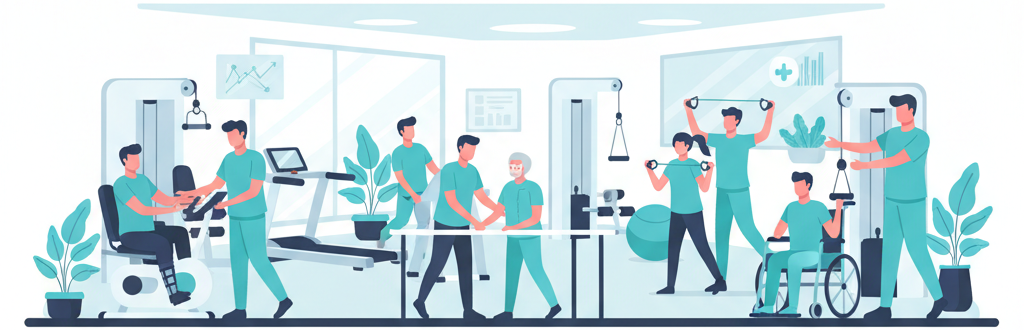
With interdisciplinary teams, evidence-based therapies, and seamless transitions between inpatient and outpatient services, we help patients move forward with confidence, clarity, and measurable progress.
Understanding Your Rehabilitation Options
Choosing the right rehabilitation program can feel overwhelming, especially when you are navigating recovery for yourself or someone you love. Questions about outcomes, levels of care, therapy types, and where to receive treatment are common and important. At Regional One Health, rehabilitation is designed to meet patients where they are and support them through every stage of recovery.
Below, we answer some of the most common questions patients and families ask when exploring inpatient and outpatient rehabilitation. These insights are intended to help you understand what high-quality rehab looks like, what factors matter most, and how to choose care that aligns with your medical needs and recovery goals. Our rehabilitation services are available at two convenient locations, allowing patients to access the right level of care close to home while remaining connected to a single, coordinated team.
From intensive inpatient rehabilitation at our Downtown Main Campus to comprehensive outpatient therapy at both our Main Campus and East Campus in East Memphis, our programs are designed to support recovery across the full continuum.
6 Proven Factors: Your Guide to the Best Rehabilitation Experience
Embarking on a rehabilitation journey is a significant step towards regaining independence and improving your quality of life after an accident, illness, or serious injury. This guide will illuminate the crucial factors that define the “best rehabilitation” experience, helping you navigate your options with confidence and understanding. By the time you finish reading, you’ll have a clear roadmap for identifying top-tier care and understanding how to take the next crucial step in your recovery.
Key Takeaways
- The “best rehabilitation” is defined by individualized care, interdisciplinary teams, and evidence-based practices.
- The 60% rule helps identify inpatient rehabilitation facilities specializing in complex conditions requiring intensive therapy.
- Rehabilitation encompasses four main types: Physical, Occupational, Speech-Language, and Cognitive therapies, often integrated for holistic care.
- Rehab is delivered across three levels of intensity: acute inpatient, subacute, and outpatient/home health. It is tailored to patient needs.
- A patient’s active engagement and commitment are the most crucial factors for successful rehabilitation outcomes.
What rehab center has the highest success rate?
Defining the “highest success rate” in rehabilitation is complex, as success can be measured in various ways, including functional improvement, return to work, reduction in pain, and overall patient satisfaction. While specific statistics for individual centers are often proprietary or vary by patient population and condition, leading rehabilitation hospitals consistently demonstrate superior outcomes. Centers like Regional One Health with a comprehensive, interdisciplinary approach and commitment to advanced research often have better patient results. These centers excel by offering specialized programs tailored to specific conditions, employing highly skilled therapists, and utilizing cutting-edge technology. They prioritize individualized treatment plans, ensuring that each patient’s unique needs and goals are addressed. When evaluating centers, look for accreditations, patient testimonials, and transparent outcome data where available. A center’s dedication to continuous improvement and evidence-based practices is a strong indicator of its potential for high success rates.
What is the 60% rule in rehab?
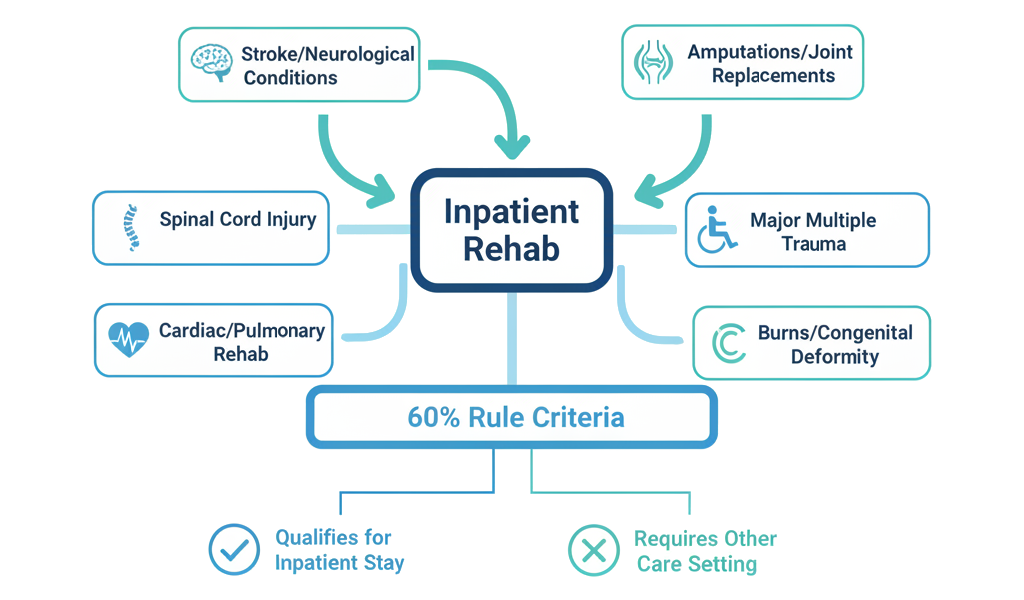
The “60% rule” in rehabilitation refers to a specific Medicare requirement for inpatient rehabilitation facilities (IRFs) to qualify for higher reimbursement rates. To meet this rule, at least 60% of an IRF’s patient population must have one or more of 13 specific medical conditions that are complex enough to require intensive rehabilitation. These conditions typically include stroke, spinal cord injury, traumatic brain injury, neurological disorders such as multiple sclerosis or Parkinson’s disease, burns, hip fracture, major multiple trauma, amputation, and certain types of arthritis. The intent behind the 60% rule is to ensure that IRFs primarily serve patients who genuinely need and benefit from the intensive, interdisciplinary rehabilitation services they provide, distinguishing them from skilled nursing facilities. Adherence to this rule indicates that a facility is equipped and specialized in treating patients with significant functional deficits requiring a higher level of care and therapeutic intensity. Understanding this rule can help patients identify facilities that are truly specialized in complex rehabilitation.
What are the four types of rehabilitation?
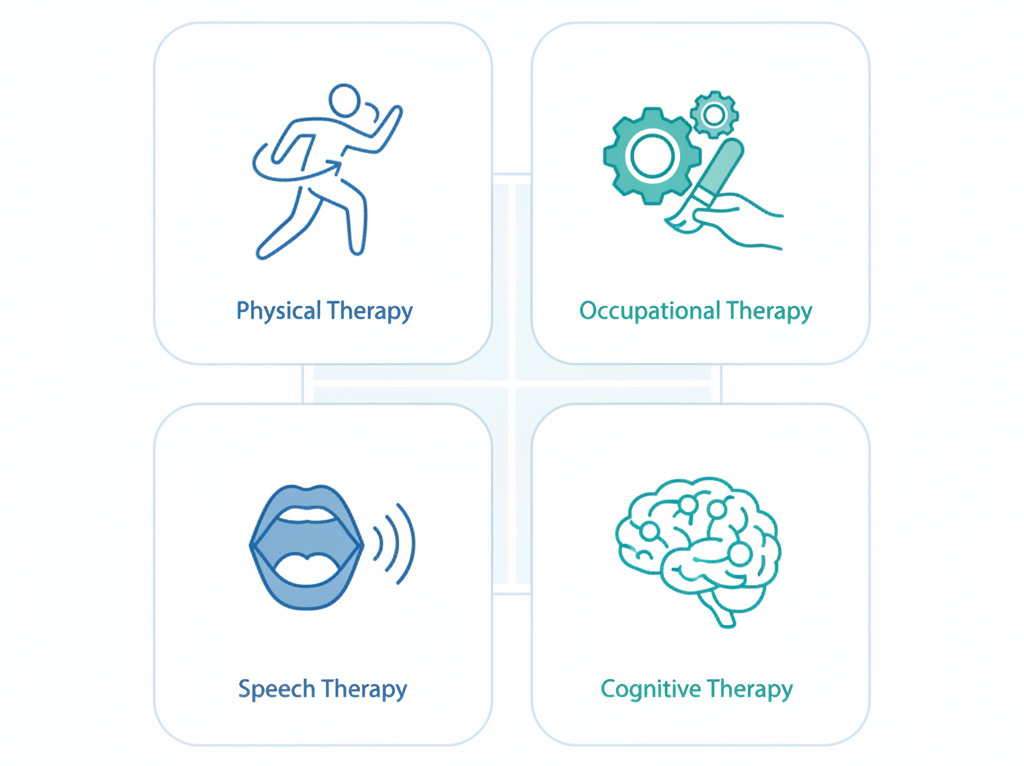
Rehabilitation encompasses a broad spectrum of services designed to help individuals recover from injury, illness, or surgery and improve their functional abilities. While classifications can vary, the four primary types of rehabilitation are:
- 1. Physical Therapy (PT): This focuses on improving movement, reducing pain, restoring function, and preventing disability. Physical therapists use exercises, manual therapy, and modalities like heat or ice to help patients regain strength, balance, coordination, and mobility. PT is crucial for conditions affecting the musculoskeletal and neurological systems.
- 2. Occupational Therapy (OT): OT helps individuals achieve independence in all aspects of their lives. Occupational therapists focus on the everyday activities people need and want to do, such as self-care (dressing, eating), work, and leisure activities. They adapt tasks and environments to suit the patient’s abilities, using assistive devices and compensatory strategies to enhance participation.
- 3. Speech-Language Pathology (SLP): Also known as speech therapy, SLP addresses communication and swallowing disorders. Speech-language pathologists work with patients who have difficulties with speech production, language comprehension, voice, fluency, and cognitive-communication (e.g., memory, problem-solving). They also treat dysphagia (swallowing difficulties), which can be common after strokes or head injuries.
- 4. Cognitive Rehabilitation: This specialized therapy is designed for individuals who have experienced cognitive impairments due to conditions like traumatic brain injury, stroke, or neurological diseases. Cognitive rehabilitation aims to improve cognitive functions such as memory, attention, problem-solving, and executive functions. Therapists use various strategies and exercises to help patients compensate for deficits and integrate back into daily life.
These types of rehabilitation often overlap and are integrated into a comprehensive, interdisciplinary treatment plan, particularly in specialized rehabilitation hospitals like Regional One Health. Our specialists collaborate closely to ensure a holistic approach to your recovery.
What are the three levels of rehab?
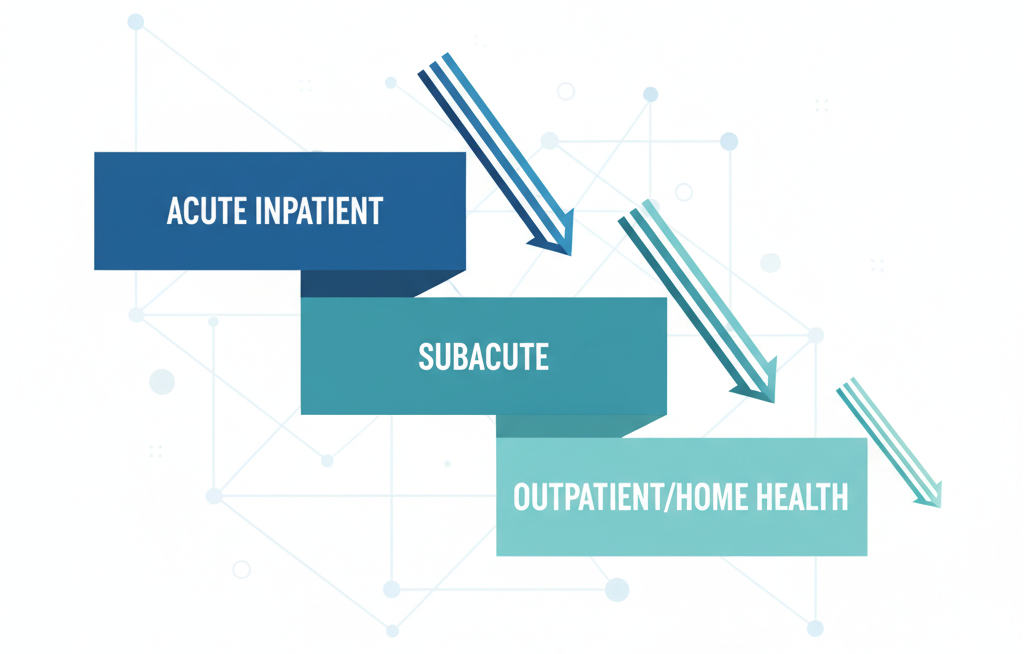
Rehabilitation services are typically categorized into three main levels, reflecting the intensity of care and the setting in which it is provided:
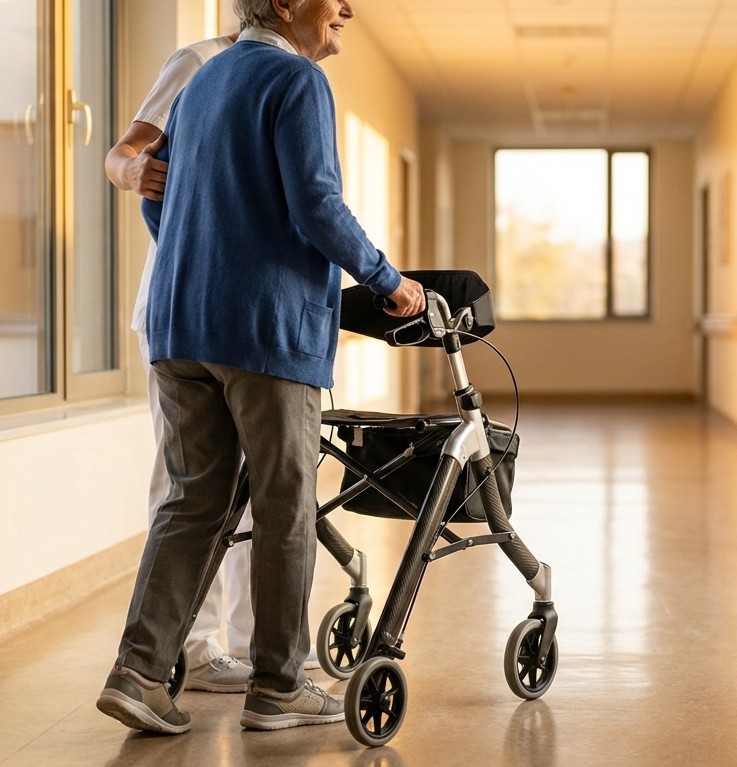
- 1. Acute Inpatient Rehabilitation: This is the most intensive level of rehabilitation, provided in specialized units within hospitals or freestanding rehabilitation hospitals. Patients admitted here require daily physician oversight and typically receive at least three hours of therapy (physical, occupational, or speech) per day, five to seven days a week. This level of care is for individuals with significant functional deficits who are medically stable enough to tolerate intensive therapy but are not yet able to return home. The goal is rapid, significant functional improvement to facilitate discharge to a less intensive setting or home.
- 2. Subacute Rehabilitation: This level of care is less intensive than acute inpatient rehabilitation but more intensive than outpatient rehab. Patients receive therapy for one to two hours per day, five to six days a week, and require skilled nursing care that cannot be provided at home. This is often a step-down from acute care for patients who still need rehabilitation but cannot tolerate the intensity of inpatient rehab, or for those whose functional gains are progressing at a slower pace.
- 3. Outpatient Rehabilitation/Home Health Rehabilitation: Outpatient Rehabilitation: Patients travel to a clinic or hospital for therapy sessions, usually a few times a week. This level is for individuals who are stable enough to live at home but still require ongoing therapy to maximize their recovery, manage chronic conditions, or prevent re-injury. Therapy can also be provided in a patient’s home by visiting therapists if the patient is homebound or has difficulty traveling to a clinic. While Regional One Health does not offer Home Health services, we work with your provider to ensure an easy handoff.
The determination of the appropriate level of care is made by a medical team based on the patient’s medical stability, functional deficits, and ability to participate in therapy. Our team works diligently to ensure patients transition seamlessly between these levels as their recovery progresses.
What is the best rehabilitation program?
The concept of the “best rehabilitation program” is highly individualized, as what constitutes “best” depends entirely on the patient’s specific injury, illness, personal goals, and medical needs. However, common characteristics define truly exceptional programs, regardless of the condition they treat. These attributes include:
- Interdisciplinary Team Approach: The best programs involve a collaborative team of specialists, including physiatrists (rehabilitation physicians), physical therapists, occupational therapists, speech-language pathologists, neuropsychologists, social workers, and nurses. This holistic approach addresses all aspects of a patient’s recovery – physical, cognitive, emotional, and social.
- Individualized Treatment Plans: A one-size-fits-all approach is never effective. Top programs create highly customized plans based on thorough assessments, continuously adapting them as the patient progresses.
- Evidence-Based Practices: The program should utilize therapies and techniques supported by the latest scientific research to ensure the most effective outcomes.
- Advanced Technology and Facilities: Access to state-of-the-art equipment can significantly enhance recovery. Leading centers often invest in cutting-edge tools.
- Focus on Functional Outcomes: The ultimate goal of rehabilitation is to help patients regain independence and improve their quality of life. The best programs measure success by how well patients can perform daily activities, return to work, and participate in their communities.
- Patient and Family Education: Empowering patients and their families with knowledge about their condition, recovery process, and home care strategies is vital for long-term success.
- Continuum of Care: Exceptional programs offer seamless transitions between different levels of care – from acute inpatient to outpatient or home health – ensuring continuous support throughout the recovery journey.
When seeking the best rehabilitation, prioritize centers that embody these principles, as they are most likely to deliver comprehensive and effective care tailored to your unique path to recovery.
What is the most important part of rehabilitation?
While every component of rehabilitation plays a critical role, the single most important part is arguably the patient’s active engagement and commitment to their recovery process. Rehabilitation is not a passive treatment; it requires diligent effort, perseverance, and a strong will to participate in therapy sessions and adhere to home exercise programs.
Without the patient’s motivation and active involvement, even the most advanced facilities, expert therapists, and cutting-edge technologies will have limited impact. This commitment involves:
- Setting Realistic Goals: Working with the rehabilitation team to establish achievable and meaningful objectives.
- Consistent Participation: Attending all therapy sessions and fully engaging in the exercises and activities.
- Adherence to Home Programs: Continuing exercises and strategies learned in therapy at home, reinforcing gains.
- Positive Mindset: Approaching challenges with resilience and a belief in the possibility of recovery.
- Open Communication: Providing feedback to therapists about progress, challenges, and concerns.
Beyond patient engagement, the interdisciplinary, patient-centered approach is also paramount. A cohesive team that communicates effectively and tailors care to the individual’s unique needs ensures that all aspects of recovery are addressed. This collaborative effort, combined with the patient’s dedication, forms the cornerstone of a successful rehabilitation experience, leading to optimal functional outcomes and an improved quality of life. Understanding this partnership is key to beginning your recovery journey.
Conclusion
Choosing the right rehabilitation path is a pivotal decision on your journey back to health and independence. By understanding these six proven factors, you are now equipped to identify the characteristics of truly exceptional care that prioritizes your recovery and quality of life. We are dedicated to providing compassionate, comprehensive, and patient-centered rehabilitation services designed to help you achieve your fullest potential. Take the first step towards a stronger, healthier future.
Meet Our Care Team

Erin Tucker, MS, CCC-SLP
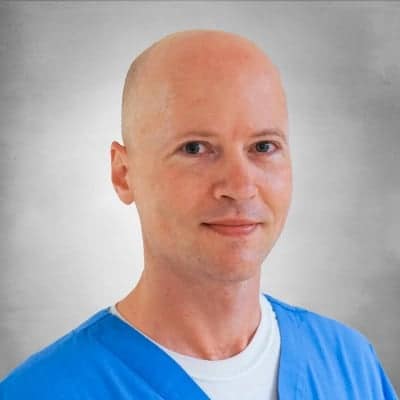
Andrew Wofford, PTA
Aaron Greear, PT, DPT

Stephanie Patton, PT, DPT
Anthony Prince, PTA
Mary Mitchell, MPT, PT
Brandy Brown, OTR/L
Lexie Williamson, OT
Meliah Grant, MS, CCC-SLP, CBIS
Savannah Seeley, PT, DPT, CSRS, CBIS
Andrew Tobias, DPT, CCI
Elizabeth Quinn, PT, DPT
Georgia Ray, OTR/L
Sheri Roberts, OT
Lindsey Satterlee, OT
Karoline Neely, CTRT
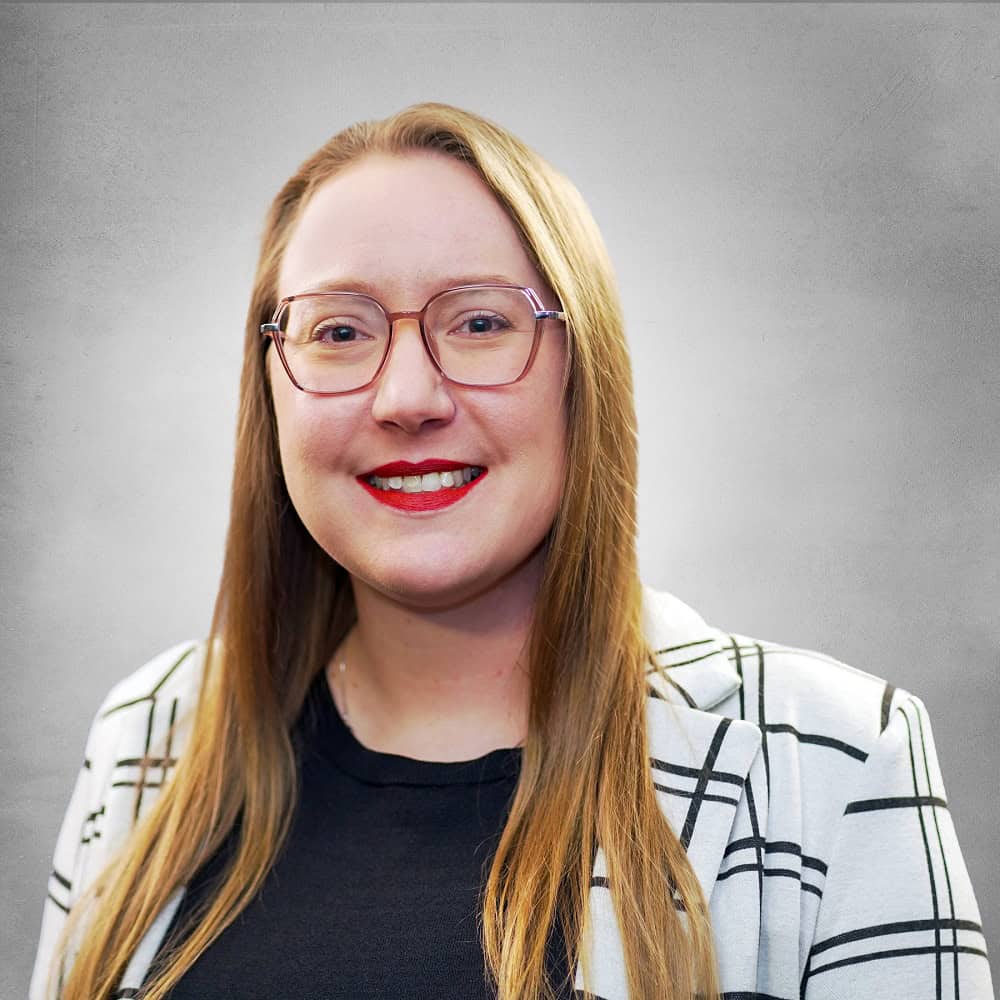
Jamie Hanskiewicz, DPT, CLT
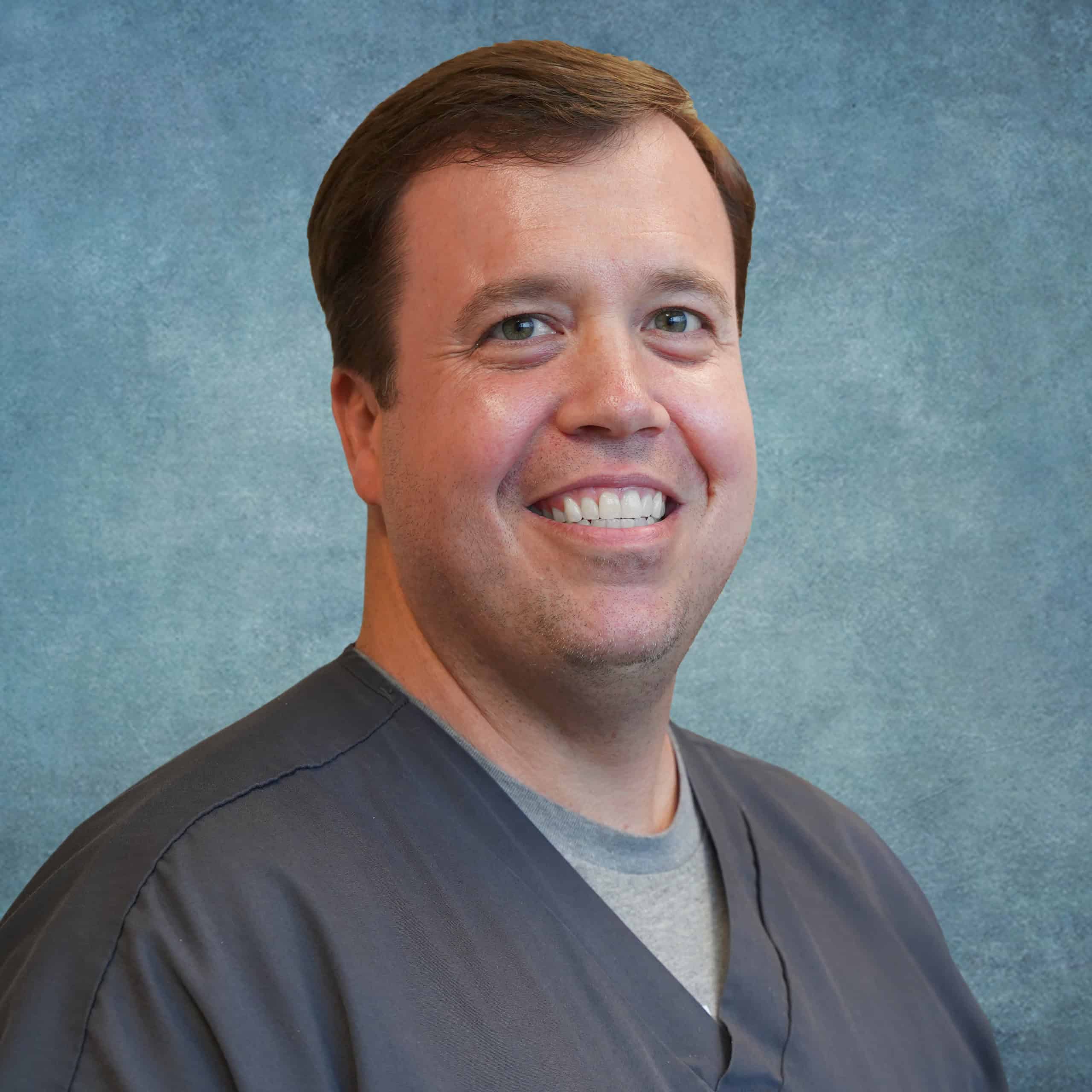
Drew Tucker, DPT
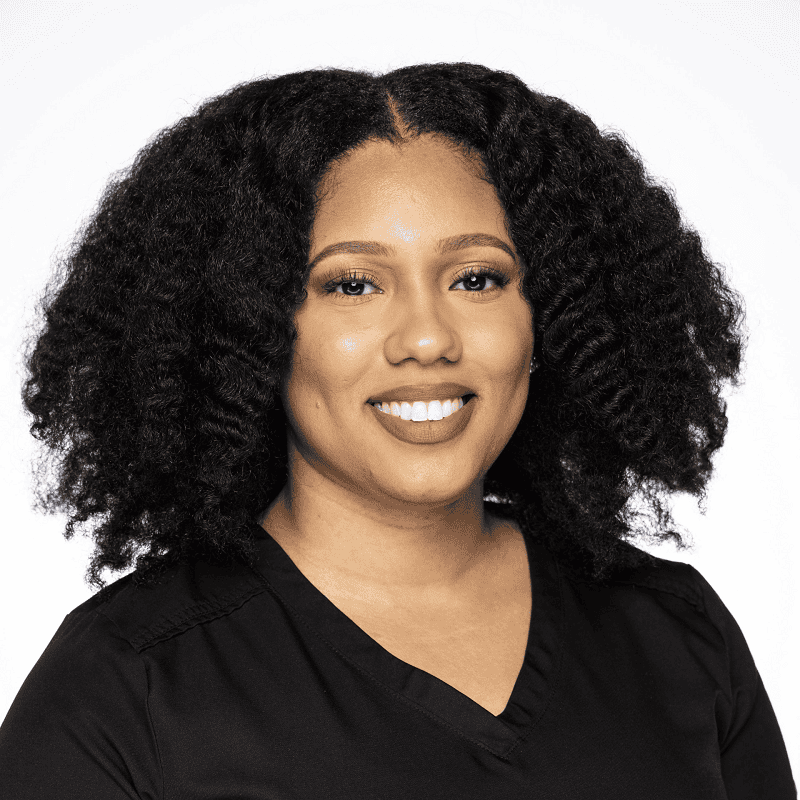
Darianne Buttler, PT, DPT