

Regional One Health’s ONE Health complex care program is designed to help patients in crisis by providing the medical care and social support resources they need.
For Johnny Allen, the ONE Health team was able to reach out before he even got to the point of crisis.
With his health conditions well-managed, Johnny took it from there – and today he’s back to working as a security professional and enjoying time with his family and friends.
For many patients, Regional One Health’s ONE Health complex care program is a lifeline. At a time of crisis, it offers them a chance to reclaim their health and hope.
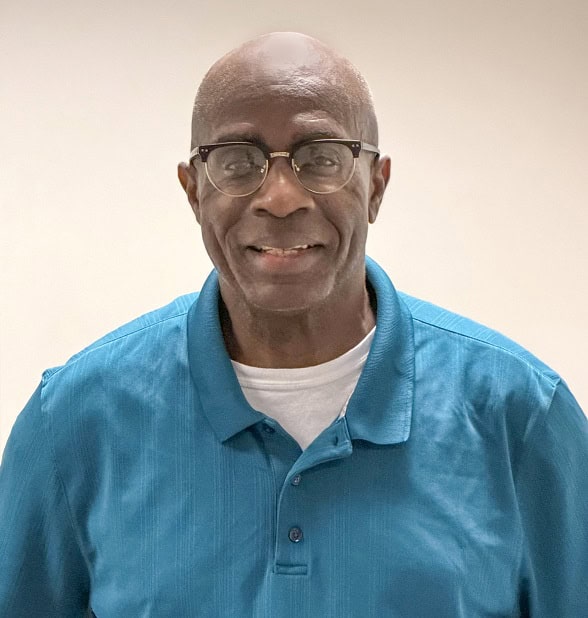
Johnny Allen has gotten back to his career, family and friends, and love of sports thanks to the support of the ONE Health team.
In Johnny Allen’s case, it kept him from ever getting to that point of crisis.
Johnny, 64, was born and raised in Memphis but spent most of his career in Atlanta, working in security for such iconic institutions as the Centers for Disease Control and Atlanta Braves. But shortly after moving back to Memphis, heart trouble threatened to upend Johnny’s life.
Cristina Wilson, ONE Health case manager, met him in Regional One Health’s Emergency Department. He had been working a full-time position as a security officer, but found himself without a job and health insurance after his employer lost its contract.
“He told me he was concerned about money, and we know that’s a time when people might start cutting corners – they take their pills every other day, or they cut pills in half,” Cristina said. “His health had always been fairly good, but I knew if he didn’t get the care he needed, it could take a turn for the worse. I wanted to make sure that didn’t happen.”
Looking at Johnny’s chart, Cristina knew his conditions could be well-managed if he simply had access to medications and routine monitoring. She saw an opportunity to impact a patient’s life before health problems and lack of regular medical care had created a steep hill to climb.
ONE Health helps patients take charge of their health by meeting not only their medical needs, but social needs like housing, transportation, and access to healthy food.
Case managers start by having an in-depth conversation with the patient about their needs and goals. For Johnny, the answer was crystal clear.
“It was the first time I’ve ever been unemployed in over 40 years,” Johnny said. “I’ve worked my entire life. I told her, ‘I’ve got to get back to work.’”
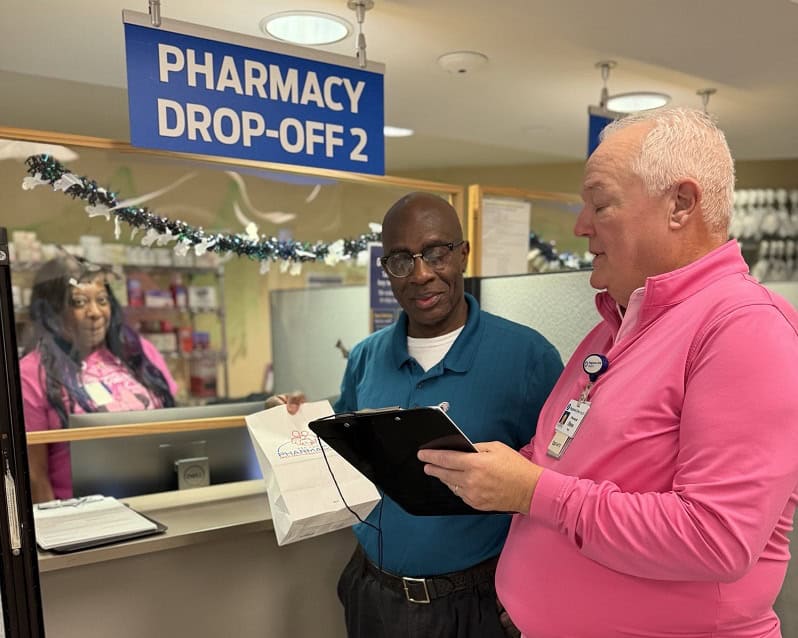
Cristina knew Johnny’s heart condition could be well-managed with medication, so she made sure he had access to his prescriptions. That has allowed Johnny to improve his health and get back to work as a security professional.
Cristina and Johnny identified two main hurdles: the struggle of managing Johnny’s heart issues without health insurance, and a lack of reliable transportation.
Cristina started by connecting Johnny with Patrick Malone, MD, a Regional One Health primary care provider at Hollywood Primary Care, which is near his home.
She connected him with the Prescription Medication Assistance Program to help him afford his blood pressure medication and blood thinners and enrolled him in the Financial Assistance Program to ease the burden of medical expenses. She also arranged transportation to ensure he could get to doctor appointments and provided food boxes to help him save money.
Cristina offered help with job placement, but quickly discovered Johnny was ready and able to take those matters into his own hands.
She sent him application links, but it was Johnny himself who learned a local country club had an opening on its security team.
In the end, all Johnny needed was transportation to his interview, and he took it from there.
“They hired me on the spot. In November, it’ll be a year that I’ve been there,” Johnny said. “I patrol the property on a golf cart, shut off the lights, lock up. There’s some customer service work too, helping people get where they need to go; and I work weddings and other events.”
“Johnny has a lot of self-motivation. Everything he needed to do, he worked at it diligently,” Cristina said. “He found that job completely on his own. They are really lucky to have him with his credentials – he is more than qualified.”
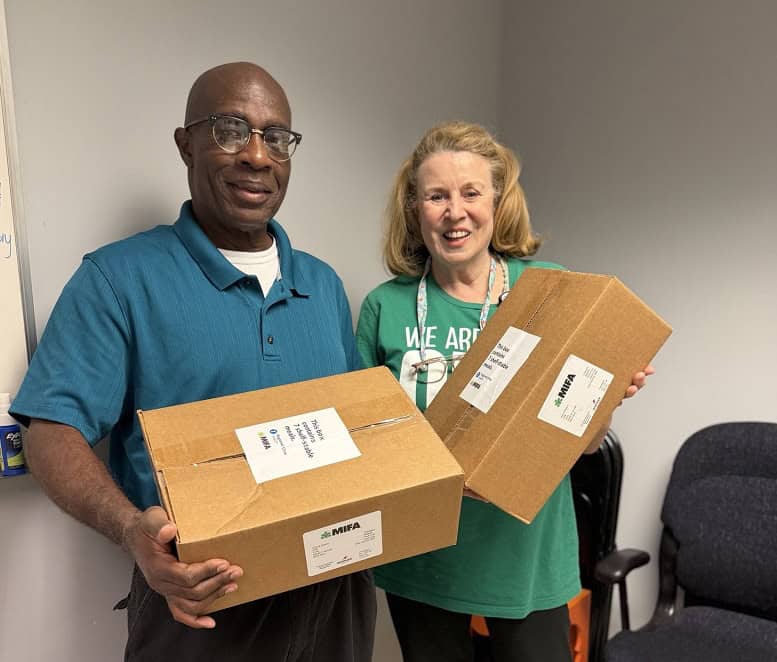
“Johnny’s journey is a reminder that when people have the right support at the right time, they can rebuild their health and continue to contribute to their communities,” Cristina said.
Now, Johnny’s life has settled back into the productive patterns he enjoys. He goes to work, spends time with family and friends, keeps his health under control, and enjoys watching sports in his free time.
“I played basketball back in the day – way, way back in the day. Now I just watch,” Johnny laughed, listing the University of Memphis and University of Georgia, where his niece attended medical school, as his favorite teams. “I love watching baseball too. Some people say it’s boring, but it isn’t boring to me.”
He’s grateful to Cristina and ONE Health for helping him get back to normal, and looks forward to working for a while longer before settling into a well-earned retirement.
Cristina said Johnny is a perfect example of why ONE Health is so valuable in the community.
“What I love about this program that it opens doors for patients who might otherwise struggle to get the care they need,” she said.
“Johnny’s journey is a reminder that when people have the right support at the right time, they can rebuild their health and continue to contribute to their communities. His story reflects our mission of removing barriers, connecting people with vital resources, and helping individuals overcome difficult circumstances so they can move forward with hope and confidence.”